Buy consulting24.eu ?
We are moving the project
consulting24.eu .
Are you interested in purchasing the domain
consulting24.eu ?
domain@kv-gmbh.de · 0541-91531010
Buy consulting24.eu ?
What is Latin civilization?
Latin civilization refers to the cultural, social, and political heritage of the ancient Romans and the societies that were influenced by them. It encompasses the language, literature, art, architecture, philosophy, and legal and political systems that developed in the Roman Empire and its successor states. Latin civilization also includes the spread of Roman culture and influence throughout Europe, the Mediterranean, and beyond, shaping the development of Western civilization. Today, Latin civilization continues to have a lasting impact on the world, particularly through the legacy of the Latin language and the enduring influence of Roman law and governance systems. **
Which civilization is best for an offensive strategy in Age of Empires 2?
The Byzantines civilization is considered one of the best for an offensive strategy in Age of Empires 2. They have access to strong defensive structures like the Cataphract and the Elite Cataphract, which can be used to push aggressively into enemy territory. Additionally, their unique unit, the Cataphract, is a powerful cavalry unit that can deal significant damage to enemy units and buildings. Overall, the Byzantines' combination of defensive capabilities and strong offensive units make them a formidable choice for players looking to play aggressively in the game. **
Similar search terms for Civilization
Top-Angebote
Products related to Civilization:
-
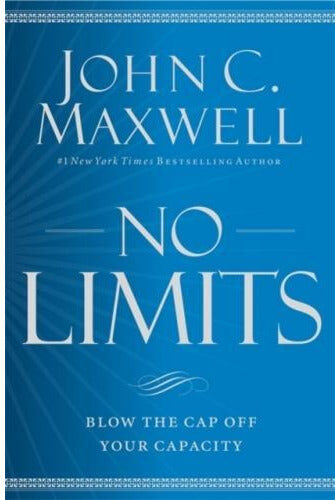
Little Brown Book Group No Limits: Blow the Cap Off Your Capacity by John C. Maxwell – Personal Growth & Leadership Development GuideNo Limits: Blow the CAP Off Your Capacity Description We often treat the word capacity as if it were a natural law of limitation. Unfortunately; most of us are much more comfortable defining what we perceive is off limits rather than what's possible. Could it be that many people have allowed what they perceive as capacity to define them? Have they allowed their perception to limit their attitudes about their potential? In his newest book; John Maxwell identifies 17 core capacities. Some of these are abilities we all already possess; such as energy; creativity and leadership. Others are aspects of our lives controlled by our choices; like our attitudes; character; and intentionality. Maxwell examines each of these 17 capacities; and provides clear and actionable advice on how you can increase your potential in each. He will guide you on how to identify; grow; and apply your critical capacities to your daily life. Once you've blown the 'cap' off your capacities; you'll find yourself more successful--and fulfilled--in your daily life.5,99 £*Shipping: 2,99 £Secure redirect to the provider
-
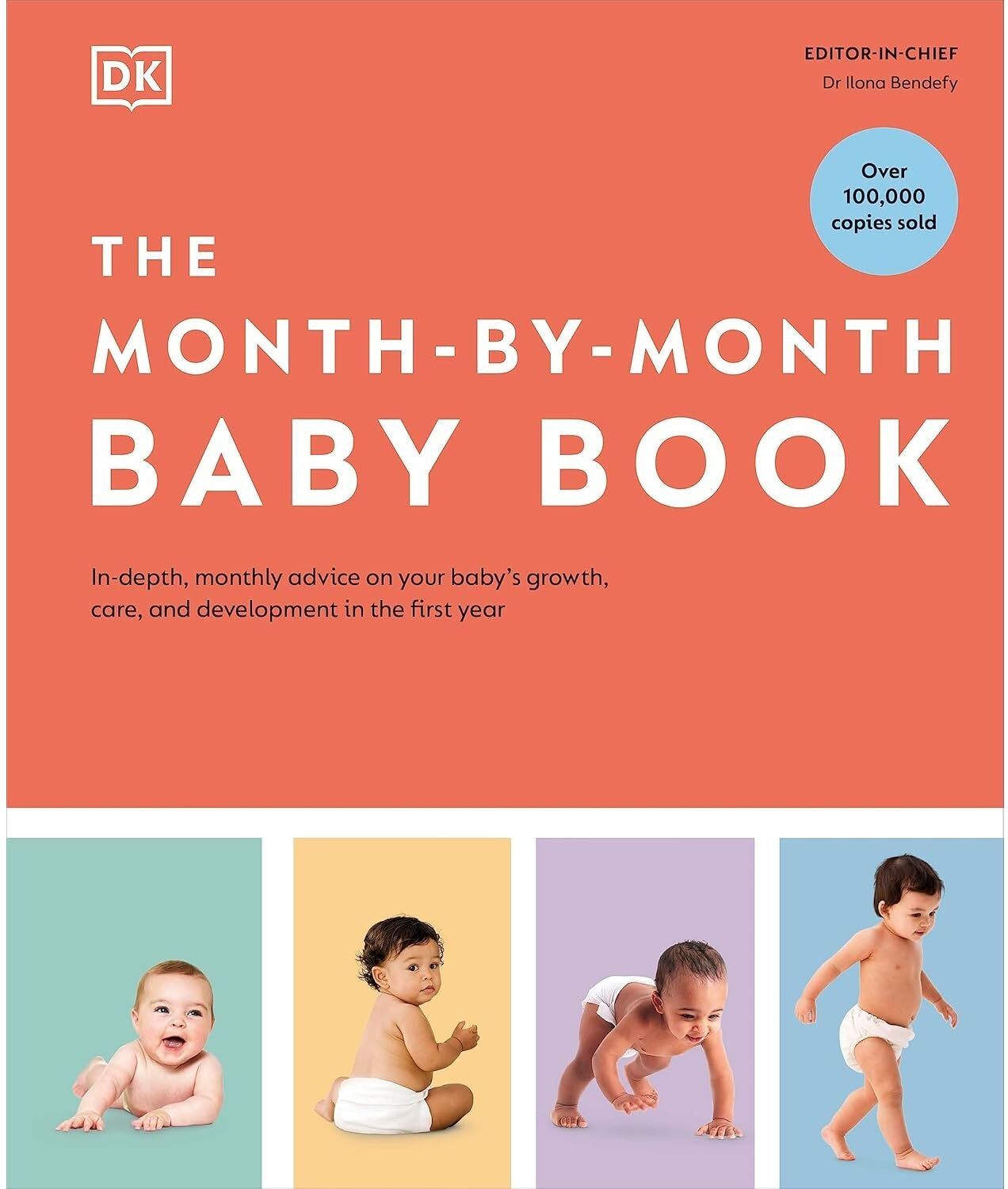
DK The Month-by-Month Baby Book: In-depth, Monthly Advice on Your Baby's Growth, Care, and Development in the First YearThe only book new parents will need for the extraordinary first year of their baby's life. This comprehensive book covers every moment of the first twelve months of your baby's life - from their first moments at home, feeding, and sleeping arrangements, to travelling, building their body strength, and starting to eat solids. A team of expert paediatricians, midwives, psychologists, and nutritionists provide unrivalled detail on everything new parents can expect. This new edition has been updated with the latest medical advice for a new generation of parents, and includes reassuring answers to common questions, offering additional support for whenever you need it. The Month-by-Month Baby Book perfectly complements the bestselling The Day-by-Day Pregnancy Book.16,99 £*Shipping: 2,99 £Secure redirect to the provider
-
Which civilization is best suited for an offensive strategy in Age of Empires 2?
The Byzantines civilization is best suited for an offensive strategy in Age of Empires 2. They have strong defensive capabilities with their unique unit, the Cataphract, and their unique technology, Greek Fire, which boosts the attack of their Fire Ships. This allows them to defend their base while also launching offensive attacks with their powerful units. Additionally, their tech tree includes a variety of strong units such as the Elite Skirmisher and Elite Cataphract, making them a well-rounded civilization for offensive play. **
-
Would women have founded civilization?
Yes, women could have founded civilization. Throughout history, women have played crucial roles in shaping societies, contributing to advancements in various fields such as agriculture, art, and governance. While traditionally male figures are often highlighted in historical narratives, it is important to recognize the significant impact women have had in laying the foundations of civilization. With their diverse skills, knowledge, and leadership abilities, women would have been more than capable of founding and developing civilizations. **
-
Does moss grow towards civilization?
Moss does not specifically grow towards civilization. Moss typically grows in damp, shaded areas and is not influenced by the presence of human civilization. However, moss can be found in urban environments where there is suitable habitat, such as on trees, rocks, or in shady areas. So while moss may be found in areas with human development, it does not actively grow towards civilization. **
-
Will climate change break civilization?
Climate change has the potential to significantly disrupt and damage human civilization, but whether it will "break" civilization is uncertain. The impacts of climate change, such as extreme weather events, sea-level rise, and food and water shortages, could lead to social and political instability, economic downturns, and mass migration. However, the extent to which these impacts will lead to the collapse of civilization depends on the actions taken to mitigate and adapt to climate change. By implementing effective policies, investing in sustainable technologies, and promoting global cooperation, it is possible to minimize the worst effects of climate change and safeguard civilization. **
What is the oldest civilization?
The oldest known civilization is the Sumerian civilization, which emerged in the region of southern Mesopotamia (modern-day Iraq) around 4500 BCE. The Sumerians are credited with developing the first known system of writing, known as cuneiform, as well as creating some of the earliest known examples of complex urban societies, with advanced architecture, agriculture, and trade. Their contributions to human history laid the foundation for many aspects of modern civilization. **
Do you also think that our civilization will decline just like the ancient Roman civilization?
It is difficult to predict the future of our civilization with certainty, but there are certainly some parallels between the challenges faced by ancient Rome and those facing modern society. Issues such as political instability, economic inequality, and environmental degradation are all concerns that could potentially contribute to a decline in our civilization. However, it is also important to recognize the differences between the two societies and the potential for modern advancements in technology, governance, and global cooperation to mitigate these challenges. Ultimately, the future of our civilization will depend on the actions we take to address these issues and build a more sustainable and equitable society. **
Top-Angebote
Products related to Civilization:
-
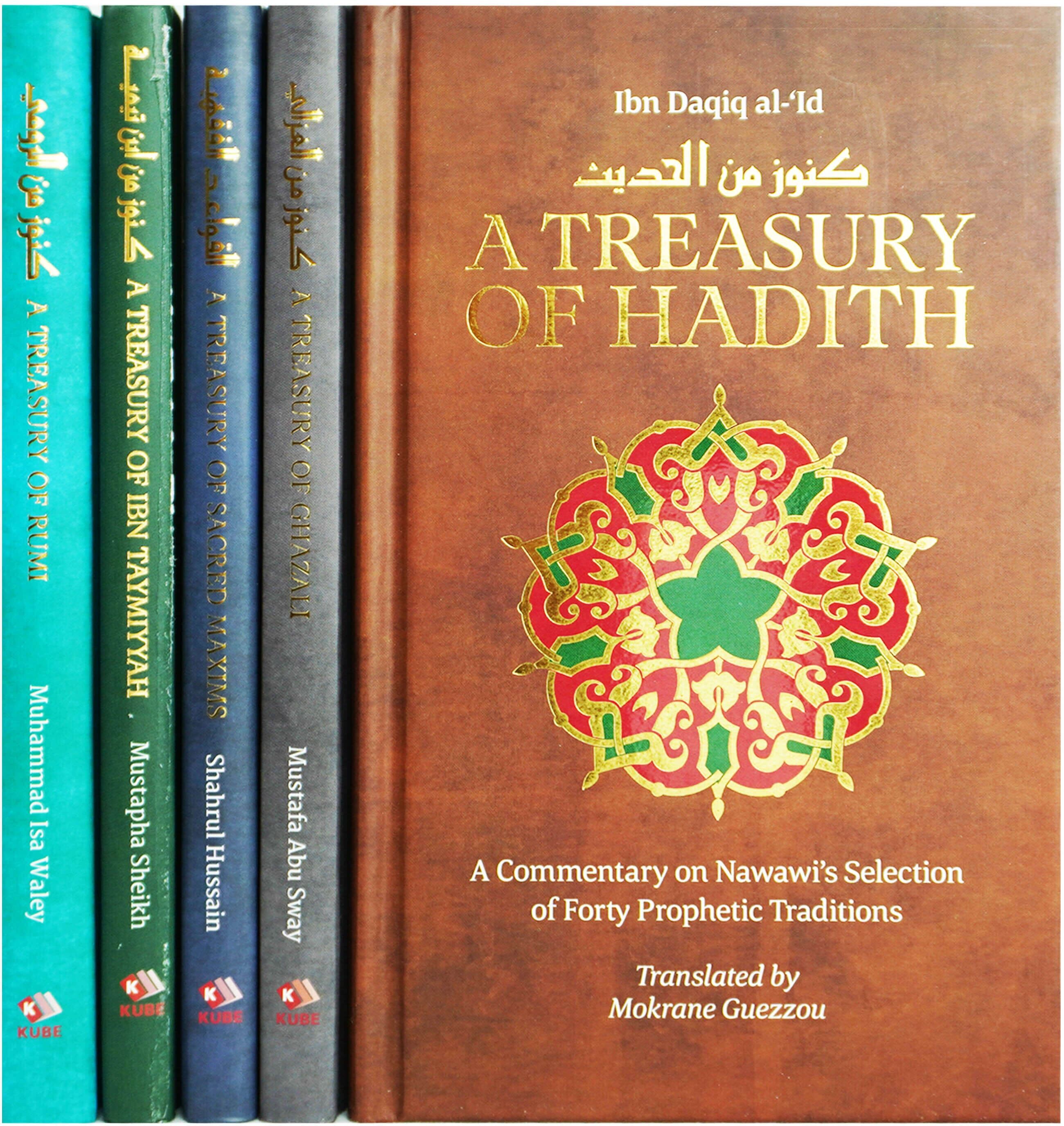
Treasury in Islamic Thought and Civilization Collection 5 Books Set - Non Fiction - Hardback Kube PublishingTreasury in Islamic Thought and Civilization: A 5-Book Masterclass in Wisdom To understand the present, we must first master the echoes of the past. The Treasury in Islamic Thought and Civilization Collection is a prestigious 5-book hardback set published by Kube Publishing. This collection serves as a definitive gateway into the minds of history’s most influential Islamic scholars, poets, and theologians. By blending classical wisdom with modern commentary, these volumes offer a deep, accessible dive into the legal, ethical, and spiritual pillars of Islamic civilization. At Books2Door, we know that building a non-fiction hardback library is about more than just decoration; it’s about securing the best of human thought for your personal study. This set provides an unparalleled intellectual roadmap for students, scholars, and curious readers alike. 1. The Titles: Five Pillars of Intellectual Heritage Each book in this "Treasury" series focuses on a different facet of Islamic tradition, providing a concise yet comprehensive introduction to a master of the craft. A Treasury of Hadith: A classical commentary on Imam Nawawi’s famous "Forty Hadith." This volume serves as an authoritative introduction to the axial principles and teachings of the entire Islamic faith. A Treasury of Ghazali: Explore the works of Abu Hamid Al-Ghazali, often described as the greatest Muslim in history. This treasury distills his mastery of law, theology, and spirituality into a volume that continues to influence modern thought. A Treasury of Ibn Taymiyyah: A look at the "Damascene Polymath," known for his intellectual brilliance and original interpretations. This book offers insights into his views on worship, reason, and revelation. A Treasury of Sacred Maxims: Authored by Dr. Shahrul Hussain, this volume helps readers navigate the legal and ethical dimensions of the Shariah through its core principles and maxims. A Treasury of Rumi: A fresh anthology of the great mystic’s teachings, supplemented with commentary and original Persian texts to bring readers closer to Rumi's true spiritual guidance. 2. Scholarly Authority and Premium Design Kube Publishing is renowned for maintaining high academic standards while ensuring their books remain beautiful and readable. Expert Commentaries: Each volume features supplementary notes from modern authorities—such as Dr. Mustapha Sheikh on Ibn Taymiyyah and Dr. Shahrul Hussain on Sacred Maxims—bridging the gap between 7th-century texts and 21st-century life. Gift-Quality Hardbacks: These books are elegant, durable, and designed for slow, reflective reading. They make for a high-value Islamic gift for weddings, graduates, or community leaders. Bilingual Texts: Several volumes, like the Rumi collection, include original source languages alongside the English translation, preserving the rhythmic and linguistic soul of the original works. 3. The Books2Door Advantage: Elite Knowledge, Accessible Pricing Elite scholarship should not be a...26,99 £*Shipping: 2,99 £Secure redirect to the provider
-
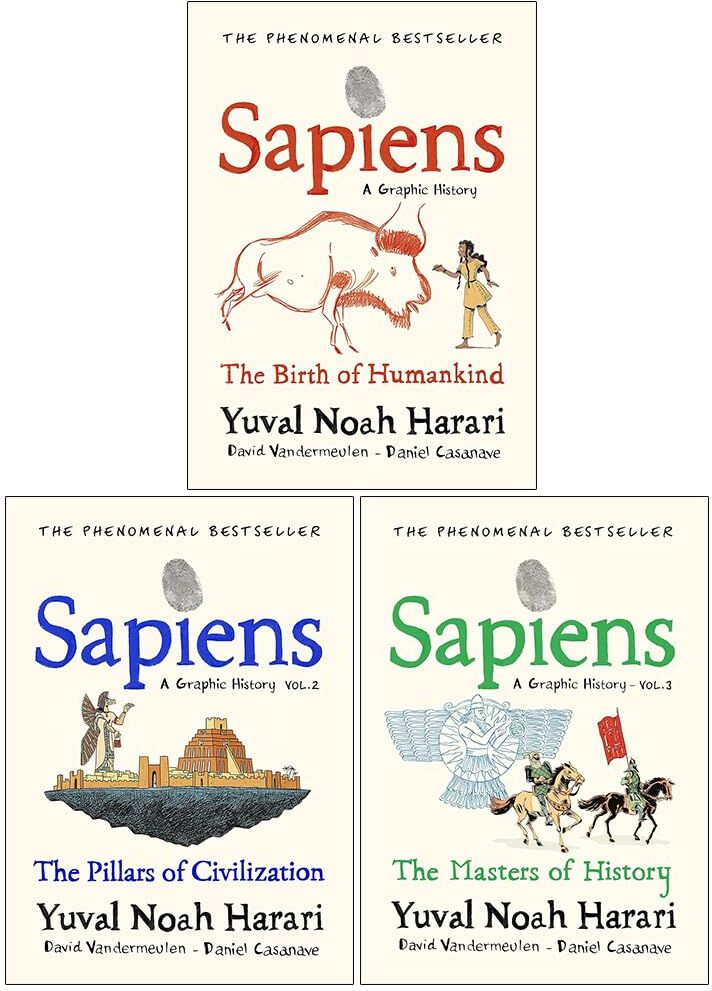
Vintage Publishing ltd Sapiens a Graphic History Volume 1-3 Books Collection Set By Yuval Noah Harari (The Birth of Humankind, The Pillars of Civilization and The Masters ofSapiens a Graphic History Volume 1-3 Books Collection Set By Yuval Noah Harari (The Birth of Humankind, The Pillars of Civilization and The Masters of History) Books Included in This Set: Sapiens A Graphic History, Volume 1 : The Birth of Humankind Sapiens A Graphic History, Volume 2 : The Pillars of Civilization Sapiens A Graphic History, Volume 3 : The Masters of History Description: Sapiens A Graphic History, Volume 1 : The Birth of Humankind One hundred thousand years ago, at least six different species of humans inhabited Earth. Yet today there is only one - homo sapiens. What happened to the others? And what may happen to us? In this first volume of the adaptation of his ground-breaking book, renowned historian Yuval Harari tells the story of humankind's creation and evolution, exploring the ways in which biology and history have defined us and enhanced our understanding of what it means to be "human". From examining the role evolving humans have played in the global ecosystem to charting the rise of empires, Sapiens challenges us to reconsider accepted beliefs, connect past developments with contemporary concerns, and view specific events within the context of larger ideas. Featuring easy-to-understand text covering the first part of the original edition, this adaptation of the mind-expanding book furthers the ongoing conversation as it introduces Harari's ideas to a wider new readership. Sapiens A Graphic History, Volume 2 : The Pillars of Civilization When nomadic Homo sapiens settled to live in one place, they started working harder and harder. But why didn't they get a better life in return? In The Pillars of Civilization, Yuval Noah Harari and his companions including Prof. Saraswati and Dr. Fiction travel the length and breadth of human history to investigate how the Agricultural Revolution changed society forever. Discover how wheat took over the world, how war, famine, disease and inequality became a part of the human condition, and why we might only have ourselves to blame. Sapiens A Graphic History, Volume 3 : The Masters of History Sometimes history seems like a laundry list of malevolent monarchs, pompous presidents and dastardly dictators. But are they really the ones in the driving seat? Sapiens: A Graphic History Volume 3 – The Masters of History takes us on a hilarious ride through the past to discover the forces that change our world, bring us together, and – just as often – tear us apart. Grab a front-row seat to the greatest show on earth and explore the rise of money, religion and empire. Join our fabulous host Heroda Tush, as she wonders: which historical superhero will display the power to make civilisations rise and fall? Will Mr Random prove that luck and circumstance prevail? Will Lady Empire convince us of the irrefutable shaping force of conquerors? Or will Clashwoman beat them all to greatness by reminding us of the endless confrontations that seem to forever plague our species?34,99 £*Shipping: 2,99 £Secure redirect to the provider
-
Little Brown Book Group No Limits: Blow the Cap Off Your Capacity by John C. Maxwell – Personal Growth & Leadership Development GuideNo Limits: Blow the CAP Off Your Capacity Description We often treat the word capacity as if it were a natural law of limitation. Unfortunately; most of us are much more comfortable defining what we perceive is off limits rather than what's possible. Could it be that many people have allowed what they perceive as capacity to define them? Have they allowed their perception to limit their attitudes about their potential? In his newest book; John Maxwell identifies 17 core capacities. Some of these are abilities we all already possess; such as energy; creativity and leadership. Others are aspects of our lives controlled by our choices; like our attitudes; character; and intentionality. Maxwell examines each of these 17 capacities; and provides clear and actionable advice on how you can increase your potential in each. He will guide you on how to identify; grow; and apply your critical capacities to your daily life. Once you've blown the 'cap' off your capacities; you'll find yourself more successful--and fulfilled--in your daily life.5,99 £*Shipping: 2,99 £Secure redirect to the provider
-
DK The Month-by-Month Baby Book: In-depth, Monthly Advice on Your Baby's Growth, Care, and Development in the First YearThe only book new parents will need for the extraordinary first year of their baby's life. This comprehensive book covers every moment of the first twelve months of your baby's life - from their first moments at home, feeding, and sleeping arrangements, to travelling, building their body strength, and starting to eat solids. A team of expert paediatricians, midwives, psychologists, and nutritionists provide unrivalled detail on everything new parents can expect. This new edition has been updated with the latest medical advice for a new generation of parents, and includes reassuring answers to common questions, offering additional support for whenever you need it. The Month-by-Month Baby Book perfectly complements the bestselling The Day-by-Day Pregnancy Book.16,99 £*Shipping: 2,99 £Secure redirect to the provider
-
What is Latin civilization?
Latin civilization refers to the cultural, social, and political heritage of the ancient Romans and the societies that were influenced by them. It encompasses the language, literature, art, architecture, philosophy, and legal and political systems that developed in the Roman Empire and its successor states. Latin civilization also includes the spread of Roman culture and influence throughout Europe, the Mediterranean, and beyond, shaping the development of Western civilization. Today, Latin civilization continues to have a lasting impact on the world, particularly through the legacy of the Latin language and the enduring influence of Roman law and governance systems. **
-
Which civilization is best for an offensive strategy in Age of Empires 2?
The Byzantines civilization is considered one of the best for an offensive strategy in Age of Empires 2. They have access to strong defensive structures like the Cataphract and the Elite Cataphract, which can be used to push aggressively into enemy territory. Additionally, their unique unit, the Cataphract, is a powerful cavalry unit that can deal significant damage to enemy units and buildings. Overall, the Byzantines' combination of defensive capabilities and strong offensive units make them a formidable choice for players looking to play aggressively in the game. **
-
Which civilization is best suited for an offensive strategy in Age of Empires 2?
The Byzantines civilization is best suited for an offensive strategy in Age of Empires 2. They have strong defensive capabilities with their unique unit, the Cataphract, and their unique technology, Greek Fire, which boosts the attack of their Fire Ships. This allows them to defend their base while also launching offensive attacks with their powerful units. Additionally, their tech tree includes a variety of strong units such as the Elite Skirmisher and Elite Cataphract, making them a well-rounded civilization for offensive play. **
-
Would women have founded civilization?
Yes, women could have founded civilization. Throughout history, women have played crucial roles in shaping societies, contributing to advancements in various fields such as agriculture, art, and governance. While traditionally male figures are often highlighted in historical narratives, it is important to recognize the significant impact women have had in laying the foundations of civilization. With their diverse skills, knowledge, and leadership abilities, women would have been more than capable of founding and developing civilizations. **
Similar search terms for Civilization
-
Does moss grow towards civilization?
Moss does not specifically grow towards civilization. Moss typically grows in damp, shaded areas and is not influenced by the presence of human civilization. However, moss can be found in urban environments where there is suitable habitat, such as on trees, rocks, or in shady areas. So while moss may be found in areas with human development, it does not actively grow towards civilization. **
-
Will climate change break civilization?
Climate change has the potential to significantly disrupt and damage human civilization, but whether it will "break" civilization is uncertain. The impacts of climate change, such as extreme weather events, sea-level rise, and food and water shortages, could lead to social and political instability, economic downturns, and mass migration. However, the extent to which these impacts will lead to the collapse of civilization depends on the actions taken to mitigate and adapt to climate change. By implementing effective policies, investing in sustainable technologies, and promoting global cooperation, it is possible to minimize the worst effects of climate change and safeguard civilization. **
-
What is the oldest civilization?
The oldest known civilization is the Sumerian civilization, which emerged in the region of southern Mesopotamia (modern-day Iraq) around 4500 BCE. The Sumerians are credited with developing the first known system of writing, known as cuneiform, as well as creating some of the earliest known examples of complex urban societies, with advanced architecture, agriculture, and trade. Their contributions to human history laid the foundation for many aspects of modern civilization. **
-
Do you also think that our civilization will decline just like the ancient Roman civilization?
It is difficult to predict the future of our civilization with certainty, but there are certainly some parallels between the challenges faced by ancient Rome and those facing modern society. Issues such as political instability, economic inequality, and environmental degradation are all concerns that could potentially contribute to a decline in our civilization. However, it is also important to recognize the differences between the two societies and the potential for modern advancements in technology, governance, and global cooperation to mitigate these challenges. Ultimately, the future of our civilization will depend on the actions we take to address these issues and build a more sustainable and equitable society. **
* All prices are inclusive of VAT and, if applicable, plus shipping costs. The offer information is based on the details provided by the respective shop and is updated through automated processes. Real-time updates do not occur, so deviations can occur in individual cases. ** Note: Parts of this content were created by AI.