Buy consulting24.eu ?
We are moving the project
consulting24.eu .
Are you interested in purchasing the domain
consulting24.eu ?
domain@kv-gmbh.de · 0541-91531010
Buy consulting24.eu ?
What is the nature of sugar in tea?
The nature of sugar in tea is that it is a simple carbohydrate that dissolves in the hot liquid. When sugar is added to tea, it sweetens the flavor and adds a pleasant taste. However, excessive consumption of sugar in tea can contribute to health issues such as weight gain and tooth decay. It is important to consume sugar in moderation and be mindful of the amount added to tea. **
How does energy transformation occur in nature?
Energy transformation occurs in nature through various processes such as photosynthesis, respiration, and the food chain. In photosynthesis, plants convert solar energy into chemical energy in the form of glucose. This energy is then transferred to animals when they consume plants or other animals. During respiration, organisms convert the chemical energy stored in glucose into usable energy for cellular processes. Overall, energy transformation in nature involves the conversion of one form of energy into another, allowing it to flow through ecosystems and sustain life. **


Similar search terms for Couleur-Nature-Fig-Tea
Top-Angebote
Products related to Couleur-Nature-Fig-Tea:




-
What is inside the fig?
Inside a fig, you will find a sweet and juicy flesh with tiny edible seeds. The flesh is soft and has a unique texture, while the seeds add a slight crunch. Figs are also known for their natural sweetness and rich flavor, making them a popular ingredient in both sweet and savory dishes. **
-
Is fig poisonous to cats?
Yes, figs are toxic to cats. Figs contain a substance called ficin, which can be harmful to cats if ingested. Symptoms of fig poisoning in cats may include vomiting, diarrhea, and abdominal pain. It's important to keep figs and other toxic plants out of reach of cats to prevent accidental ingestion. If you suspect your cat has ingested figs, it's best to contact your veterinarian for advice. **
-
How to overwinter a fig tree?
To overwinter a fig tree, you can follow these steps: 1. Prune the tree in late fall to remove any dead or damaged branches. 2. Mulch around the base of the tree with straw or leaves to protect the roots from freezing temperatures. 3. Wrap the tree in burlap or frost cloth to shield it from harsh winter conditions. 4. If the tree is in a container, move it to a sheltered location like a garage or basement where it can stay dormant until spring. **
-
What is fig mustard eaten for?
Fig mustard is typically eaten as a condiment or accompaniment to various dishes. Its sweet and tangy flavor pairs well with cheeses, charcuterie, and roasted meats. It can also be used as a glaze for grilled or roasted vegetables, or as a spread on sandwiches and wraps. Overall, fig mustard adds a unique and delicious flavor to a wide range of dishes. **

Why is my fig tree dying?
There are several potential reasons why your fig tree may be dying. It could be due to overwatering or underwatering, as fig trees prefer well-drained soil and consistent moisture. Additionally, it may be suffering from a nutrient deficiency or root rot. It's also possible that the tree is being affected by pests or diseases. I recommend examining the tree closely for any signs of these issues and adjusting your care routine accordingly. If the problem persists, consider consulting with a local arborist or horticulturist for further assistance. **
What are olive and fig trees?
Olive and fig trees are both types of fruit-bearing trees commonly found in the Mediterranean region. The olive tree produces small, oval-shaped fruits that are pressed to extract olive oil, a staple in Mediterranean cuisine. The fig tree produces sweet, pear-shaped fruits that are enjoyed fresh or dried. Both trees are known for their hardy nature and ability to thrive in warm, dry climates, making them important crops in the Mediterranean diet and economy. **
Top-Angebote
Products related to Couleur-Nature-Fig-Tea:
-
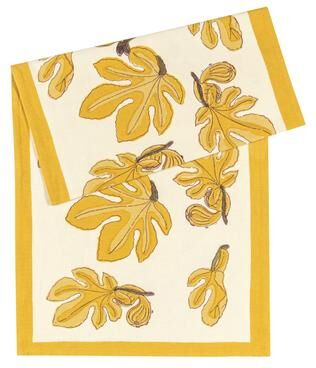
Couleur Nature Fig Tea Towels - Set of 3With rich, invigorating colors, this pattern showcases figs and leaves against an ivory backdrop. This Fig Collection makes an excellent table setting, whether for special occasions or everyday entertaining.60,75 $*Shipping: 0,00 $Secure redirect to the provider
-
What is the nature of sugar in tea?
The nature of sugar in tea is that it is a simple carbohydrate that dissolves in the hot liquid. When sugar is added to tea, it sweetens the flavor and adds a pleasant taste. However, excessive consumption of sugar in tea can contribute to health issues such as weight gain and tooth decay. It is important to consume sugar in moderation and be mindful of the amount added to tea. **
-
How does energy transformation occur in nature?
Energy transformation occurs in nature through various processes such as photosynthesis, respiration, and the food chain. In photosynthesis, plants convert solar energy into chemical energy in the form of glucose. This energy is then transferred to animals when they consume plants or other animals. During respiration, organisms convert the chemical energy stored in glucose into usable energy for cellular processes. Overall, energy transformation in nature involves the conversion of one form of energy into another, allowing it to flow through ecosystems and sustain life. **
-
What is inside the fig?
Inside a fig, you will find a sweet and juicy flesh with tiny edible seeds. The flesh is soft and has a unique texture, while the seeds add a slight crunch. Figs are also known for their natural sweetness and rich flavor, making them a popular ingredient in both sweet and savory dishes. **
-
Is fig poisonous to cats?
Yes, figs are toxic to cats. Figs contain a substance called ficin, which can be harmful to cats if ingested. Symptoms of fig poisoning in cats may include vomiting, diarrhea, and abdominal pain. It's important to keep figs and other toxic plants out of reach of cats to prevent accidental ingestion. If you suspect your cat has ingested figs, it's best to contact your veterinarian for advice. **
Similar search terms for Couleur-Nature-Fig-Tea
-
How to overwinter a fig tree?
To overwinter a fig tree, you can follow these steps: 1. Prune the tree in late fall to remove any dead or damaged branches. 2. Mulch around the base of the tree with straw or leaves to protect the roots from freezing temperatures. 3. Wrap the tree in burlap or frost cloth to shield it from harsh winter conditions. 4. If the tree is in a container, move it to a sheltered location like a garage or basement where it can stay dormant until spring. **
-
What is fig mustard eaten for?
Fig mustard is typically eaten as a condiment or accompaniment to various dishes. Its sweet and tangy flavor pairs well with cheeses, charcuterie, and roasted meats. It can also be used as a glaze for grilled or roasted vegetables, or as a spread on sandwiches and wraps. Overall, fig mustard adds a unique and delicious flavor to a wide range of dishes. **
-
Why is my fig tree dying?
There are several potential reasons why your fig tree may be dying. It could be due to overwatering or underwatering, as fig trees prefer well-drained soil and consistent moisture. Additionally, it may be suffering from a nutrient deficiency or root rot. It's also possible that the tree is being affected by pests or diseases. I recommend examining the tree closely for any signs of these issues and adjusting your care routine accordingly. If the problem persists, consider consulting with a local arborist or horticulturist for further assistance. **
-
What are olive and fig trees?
Olive and fig trees are both types of fruit-bearing trees commonly found in the Mediterranean region. The olive tree produces small, oval-shaped fruits that are pressed to extract olive oil, a staple in Mediterranean cuisine. The fig tree produces sweet, pear-shaped fruits that are enjoyed fresh or dried. Both trees are known for their hardy nature and ability to thrive in warm, dry climates, making them important crops in the Mediterranean diet and economy. **
* All prices are inclusive of VAT and, if applicable, plus shipping costs. The offer information is based on the details provided by the respective shop and is updated through automated processes. Real-time updates do not occur, so deviations can occur in individual cases. ** Note: Parts of this content were created by AI.