Buy consulting24.eu ?
We are moving the project
consulting24.eu .
Are you interested in purchasing the domain
consulting24.eu ?
domain@kv-gmbh.de · 0541-91531010
Buy consulting24.eu ?
Can you describe energy transformation in physics?
Energy transformation in physics refers to the process by which energy changes from one form to another. This can occur through various mechanisms such as mechanical work, heat transfer, or electromagnetic radiation. For example, when a ball is thrown into the air, the potential energy stored in the ball is transformed into kinetic energy as it moves upwards, and then back into potential energy as it reaches its highest point. Understanding energy transformation is crucial in analyzing the behavior of systems and predicting their outcomes in physics. **
How can one describe an energy transformation?
An energy transformation can be described as the process by which energy changes from one form to another. This can involve the conversion of potential energy to kinetic energy, or the transformation of electrical energy into light or heat energy. Energy transformations are governed by the laws of thermodynamics, which dictate that energy cannot be created or destroyed, only transferred or converted from one form to another. These transformations are essential for all processes in the universe, from the functioning of our bodies to the operation of machines and the dynamics of the natural world. **

Similar search terms for Describe
Top-Angebote
Products related to Describe:
-
How can one mathematically describe bacterial growth?
Bacterial growth can be mathematically described using exponential growth models. One common model is the exponential growth equation, which states that the rate of growth of a bacterial population is proportional to the current population size. This can be represented as dN/dt = rN, where N is the population size, t is time, r is the growth rate, and dN/dt is the rate of change of population size over time. By solving this differential equation, one can predict the growth of bacterial populations over time. **
-
How do I describe the growth of Jakarta?
The growth of Jakarta can be described as rapid and expansive. The city has experienced significant population growth, urbanization, and economic development over the past few decades. This growth has led to increased infrastructure, commercial development, and a rise in urban density. However, it has also resulted in challenges such as traffic congestion, pollution, and inadequate public services. Overall, the growth of Jakarta reflects the dynamic and complex nature of a rapidly developing megacity in a developing country. **
-
Describe the development of the frontier around 1800, 1860, and 1880.
Around 1800, the frontier was still largely unsettled and inhabited by Native American tribes. The Louisiana Purchase in 1803 and the Lewis and Clark expedition helped to open up the frontier for exploration and settlement. By 1860, the frontier had expanded significantly, with the California Gold Rush and the Oregon Trail bringing thousands of settlers westward. The Homestead Act of 1862 also encouraged settlement of the frontier by offering free land to those willing to cultivate it. By 1880, the frontier had become more densely populated, with the completion of the transcontinental railroad making it easier for people to travel and settle in the western territories. The frontier was becoming increasingly integrated into the growing United States. **
-
How to describe the energy transformation of a roller coaster from start to finish?
The energy transformation of a roller coaster from start to finish can be described as follows: Initially, the roller coaster car is pulled up a steep incline by a motor or chain lift, which requires mechanical energy. As the car reaches the top of the incline, it possesses a high amount of potential energy due to its elevated position. When released, the potential energy is converted into kinetic energy as the car accelerates down the track, experiencing a thrilling ride filled with twists, turns, and loops. Friction and air resistance gradually slow down the car, converting its kinetic energy back into potential energy as it comes to a stop at the end of the ride. **
Can someone describe the development of the Krupp factories based on these pictures?
The Krupp factories began as a small family business in the early 19th century, as seen in the first picture. Over time, the business expanded and modernized, as depicted in the second picture, with the introduction of more advanced machinery and larger production facilities. The third picture shows the continued growth and development of the Krupp factories, with the construction of even larger and more sophisticated industrial complexes. Overall, these pictures illustrate the evolution of the Krupp factories from a small-scale operation to a major industrial powerhouse. **
How would you describe nothing? Can you actually describe nothing?
Nothing can be described as the absence of anything. It is the absence of any physical objects, thoughts, or sensations. However, it is difficult to truly describe nothing, as the act of describing inherently involves using words or concepts to convey meaning, which implies the presence of something. Therefore, while we can discuss the concept of nothing, it is challenging to truly describe it in a concrete sense. **
Top-Angebote
Products related to Describe:
-
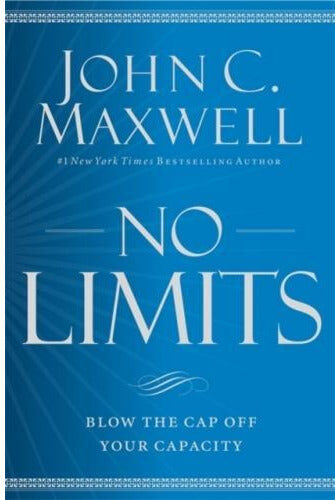
Little Brown Book Group No Limits: Blow the Cap Off Your Capacity by John C. Maxwell – Personal Growth & Leadership Development GuideNo Limits: Blow the CAP Off Your Capacity Description We often treat the word capacity as if it were a natural law of limitation. Unfortunately; most of us are much more comfortable defining what we perceive is off limits rather than what's possible. Could it be that many people have allowed what they perceive as capacity to define them? Have they allowed their perception to limit their attitudes about their potential? In his newest book; John Maxwell identifies 17 core capacities. Some of these are abilities we all already possess; such as energy; creativity and leadership. Others are aspects of our lives controlled by our choices; like our attitudes; character; and intentionality. Maxwell examines each of these 17 capacities; and provides clear and actionable advice on how you can increase your potential in each. He will guide you on how to identify; grow; and apply your critical capacities to your daily life. Once you've blown the 'cap' off your capacities; you'll find yourself more successful--and fulfilled--in your daily life.5,99 £*Shipping: 2,99 £Secure redirect to the provider
-
DK The Month-by-Month Baby Book: In-depth, Monthly Advice on Your Baby's Growth, Care, and Development in the First YearThe only book new parents will need for the extraordinary first year of their baby's life. This comprehensive book covers every moment of the first twelve months of your baby's life - from their first moments at home, feeding, and sleeping arrangements, to travelling, building their body strength, and starting to eat solids. A team of expert paediatricians, midwives, psychologists, and nutritionists provide unrivalled detail on everything new parents can expect. This new edition has been updated with the latest medical advice for a new generation of parents, and includes reassuring answers to common questions, offering additional support for whenever you need it. The Month-by-Month Baby Book perfectly complements the bestselling The Day-by-Day Pregnancy Book.16,99 £*Shipping: 2,99 £Secure redirect to the provider
-
Can you describe energy transformation in physics?
Energy transformation in physics refers to the process by which energy changes from one form to another. This can occur through various mechanisms such as mechanical work, heat transfer, or electromagnetic radiation. For example, when a ball is thrown into the air, the potential energy stored in the ball is transformed into kinetic energy as it moves upwards, and then back into potential energy as it reaches its highest point. Understanding energy transformation is crucial in analyzing the behavior of systems and predicting their outcomes in physics. **
-
How can one describe an energy transformation?
An energy transformation can be described as the process by which energy changes from one form to another. This can involve the conversion of potential energy to kinetic energy, or the transformation of electrical energy into light or heat energy. Energy transformations are governed by the laws of thermodynamics, which dictate that energy cannot be created or destroyed, only transferred or converted from one form to another. These transformations are essential for all processes in the universe, from the functioning of our bodies to the operation of machines and the dynamics of the natural world. **
-
How can one mathematically describe bacterial growth?
Bacterial growth can be mathematically described using exponential growth models. One common model is the exponential growth equation, which states that the rate of growth of a bacterial population is proportional to the current population size. This can be represented as dN/dt = rN, where N is the population size, t is time, r is the growth rate, and dN/dt is the rate of change of population size over time. By solving this differential equation, one can predict the growth of bacterial populations over time. **
-
How do I describe the growth of Jakarta?
The growth of Jakarta can be described as rapid and expansive. The city has experienced significant population growth, urbanization, and economic development over the past few decades. This growth has led to increased infrastructure, commercial development, and a rise in urban density. However, it has also resulted in challenges such as traffic congestion, pollution, and inadequate public services. Overall, the growth of Jakarta reflects the dynamic and complex nature of a rapidly developing megacity in a developing country. **
Similar search terms for Describe
-
Describe the development of the frontier around 1800, 1860, and 1880.
Around 1800, the frontier was still largely unsettled and inhabited by Native American tribes. The Louisiana Purchase in 1803 and the Lewis and Clark expedition helped to open up the frontier for exploration and settlement. By 1860, the frontier had expanded significantly, with the California Gold Rush and the Oregon Trail bringing thousands of settlers westward. The Homestead Act of 1862 also encouraged settlement of the frontier by offering free land to those willing to cultivate it. By 1880, the frontier had become more densely populated, with the completion of the transcontinental railroad making it easier for people to travel and settle in the western territories. The frontier was becoming increasingly integrated into the growing United States. **
-
How to describe the energy transformation of a roller coaster from start to finish?
The energy transformation of a roller coaster from start to finish can be described as follows: Initially, the roller coaster car is pulled up a steep incline by a motor or chain lift, which requires mechanical energy. As the car reaches the top of the incline, it possesses a high amount of potential energy due to its elevated position. When released, the potential energy is converted into kinetic energy as the car accelerates down the track, experiencing a thrilling ride filled with twists, turns, and loops. Friction and air resistance gradually slow down the car, converting its kinetic energy back into potential energy as it comes to a stop at the end of the ride. **
-
Can someone describe the development of the Krupp factories based on these pictures?
The Krupp factories began as a small family business in the early 19th century, as seen in the first picture. Over time, the business expanded and modernized, as depicted in the second picture, with the introduction of more advanced machinery and larger production facilities. The third picture shows the continued growth and development of the Krupp factories, with the construction of even larger and more sophisticated industrial complexes. Overall, these pictures illustrate the evolution of the Krupp factories from a small-scale operation to a major industrial powerhouse. **
-
How would you describe nothing? Can you actually describe nothing?
Nothing can be described as the absence of anything. It is the absence of any physical objects, thoughts, or sensations. However, it is difficult to truly describe nothing, as the act of describing inherently involves using words or concepts to convey meaning, which implies the presence of something. Therefore, while we can discuss the concept of nothing, it is challenging to truly describe it in a concrete sense. **
* All prices are inclusive of VAT and, if applicable, plus shipping costs. The offer information is based on the details provided by the respective shop and is updated through automated processes. Real-time updates do not occur, so deviations can occur in individual cases. ** Note: Parts of this content were created by AI.