Buy consulting24.eu ?
We are moving the project
consulting24.eu .
Are you interested in purchasing the domain
consulting24.eu ?
domain@kv-gmbh.de · 0541-91531010
Buy consulting24.eu ?
Why do two diploid cells arise from a diploid cell?
Two diploid cells arise from a diploid cell through the process of cell division, specifically through the process of meiosis. Meiosis is a type of cell division that occurs in sexually reproducing organisms and results in the formation of gametes (sperm and egg cells). During meiosis, a diploid cell undergoes two rounds of division, resulting in the formation of four haploid cells. This is important for sexual reproduction because it ensures that when the sperm and egg cells combine during fertilization, the resulting zygote will have the correct number of chromosomes to develop into a new organism. **
Is this plant now haploid or diploid?
This plant is now haploid. After undergoing meiosis, the plant's cells have half the number of chromosomes as the original diploid cell. This means it now has a single set of chromosomes, making it haploid. **


Similar search terms for Diploid
Top-Angebote
Products related to Diploid:
-
Flythe Consulting Arika Wall Sconce Pair, Pair, Satin NickelThe Arika Wall Sconce Pair is an adaptation of old-fashioned light fixtures, with an appealing design that will complement modern decor. The lacquered solid brass sconces have 4.75 dia.x7 H clear glass hurricanes that will protect your standard...179,00 $*Shipping: 22,95 $Secure redirect to the provider
-
Sesderma Reti Age 5 Liposomal Serum Anti-Aging Innovation 30mLA facial serum for wrinkles and signs of ageing. Reduces wrinkles and fine lines. Hydrates and strengthens barrier. Restores youthful radiance. 5-Retinoid System: smooths wrinkles, accelerates renewal, and boosts collagen. Biomimetic Peptides: fill expression lines by stimulating collagen synthesis.41,69 £*Shipping: 5,34 £Secure redirect to the provider
-
Little Brown Book Group No Limits: Blow the Cap Off Your Capacity by John C. Maxwell – Personal Growth & Leadership Development GuideNo Limits: Blow the CAP Off Your Capacity Description We often treat the word capacity as if it were a natural law of limitation. Unfortunately; most of us are much more comfortable defining what we perceive is off limits rather than what's possible. Could it be that many people have allowed what they perceive as capacity to define them? Have they allowed their perception to limit their attitudes about their potential? In his newest book; John Maxwell identifies 17 core capacities. Some of these are abilities we all already possess; such as energy; creativity and leadership. Others are aspects of our lives controlled by our choices; like our attitudes; character; and intentionality. Maxwell examines each of these 17 capacities; and provides clear and actionable advice on how you can increase your potential in each. He will guide you on how to identify; grow; and apply your critical capacities to your daily life. Once you've blown the 'cap' off your capacities; you'll find yourself more successful--and fulfilled--in your daily life.5,99 £*Shipping: 2,99 £Secure redirect to the provider
-
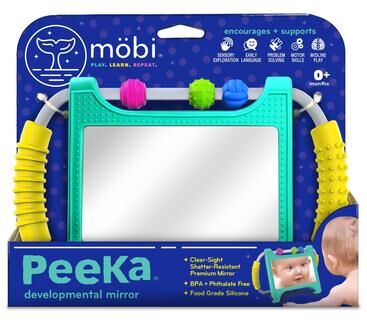
Mobi Peeka Development MirrorPEEKA® developmental mirror was designed by our team of doctors, therapists and parents to help children explore, learn and grow. When you place PEEKA® in the hands of your little ones, you will be amazed at the variety of ways they find to play...30,49 $*Shipping: 0,00 $Secure redirect to the provider



-
Why are the chromosomes diploid during mitosis?
Chromosomes are diploid during mitosis because the purpose of mitosis is to produce two identical daughter cells, each with the same number of chromosomes as the parent cell. This ensures that the genetic information is accurately passed on to the next generation of cells. By maintaining a diploid number of chromosomes, the daughter cells will have the same genetic makeup as the parent cell, allowing for proper growth, development, and tissue repair. **
-
What are diploid and haploid germ cells?
Diploid germ cells are cells that contain two sets of chromosomes, one set inherited from each parent. These cells are found in the reproductive organs and are involved in the production of gametes (sperm and eggs). Haploid germ cells, on the other hand, are cells that contain only one set of chromosomes. They are the result of the process of meiosis, which reduces the chromosome number by half, and are the mature gametes that are involved in sexual reproduction. **
-
Why are most cells of multicellular organisms diploid?
Most cells of multicellular organisms are diploid because having two sets of chromosomes allows for genetic diversity and stability. Diploidy ensures that if one set of chromosomes is damaged or mutated, the organism still has a backup set to rely on. Additionally, diploidy allows for genetic recombination during meiosis, which promotes genetic variation and evolution. Overall, being diploid provides a balance between genetic diversity and stability, which is essential for the survival and adaptation of multicellular organisms. **
-
How do diploid and haploid chromosome sets differ?
Diploid cells have two sets of chromosomes, one set from each parent, while haploid cells have only one set of chromosomes. This means that diploid cells have pairs of homologous chromosomes, while haploid cells have only one of each type of chromosome. Diploid cells are found in most somatic cells of the body, while haploid cells are found in the reproductive cells (sperm and eggs). This difference in chromosome sets is important for genetic diversity and reproduction. **


What is the difference between diploid and haploid cells?
Diploid cells have two sets of chromosomes, one set inherited from each parent, while haploid cells have only one set of chromosomes. Diploid cells are found in most of the body's tissues and are involved in growth, development, and reproduction. Haploid cells are typically involved in sexual reproduction, such as sperm and egg cells, and contain half the number of chromosomes as diploid cells. **
What does haploid mean and what does diploid mean?
Haploid refers to a cell or organism that has a single set of chromosomes, meaning it contains only one copy of each chromosome. This is typically seen in reproductive cells like eggs and sperm. On the other hand, diploid refers to a cell or organism that has two sets of chromosomes, with one set inherited from each parent. Most cells in the human body are diploid, with the exception of reproductive cells. **
Top-Angebote
Products related to Diploid:
-
EISENBERG Anti-Ageing Expertise skin care setEISENBERG Anti-Ageing Expertise, , Skin Serums for Women, Everything for beautiful-looking skin in one package. The EISENBERG Anti-Ageing Expertise beauty gift set contains not one but several products to help you create or enrich your daily beauty routine and make you or your loved ones happy to get it as a gift. The set contains: Eisenberg Classique Soin Anti-Âge anti-wrinkle firming cream 50 ml Eisenberg Classique Hydra Lifting light gel-cream for intensive hydration 15 ml Eisenberg Classique Sérum Régénérant Liftant anti-wrinkle lifting serum for tired skin 7,5 ml Characteristics: a set of cosmetic products for everyday use products for deep nourishment and hydration for perfectly soft and smooth skin a treat for any woman How to use: Use every product from the cosmetic set according to the instructions.146,80 £*Shipping: 3,99 £Secure redirect to the provider
-
Flythe Consulting Arika Wall Sconce Pair, Pair, Satin NickelThe Arika Wall Sconce Pair is an adaptation of old-fashioned light fixtures, with an appealing design that will complement modern decor. The lacquered solid brass sconces have 4.75 dia.x7 H clear glass hurricanes that will protect your standard...179,00 $*Shipping: 22,95 $Secure redirect to the provider
-
Sesderma Reti Age 5 Liposomal Serum Anti-Aging Innovation 30mLA facial serum for wrinkles and signs of ageing. Reduces wrinkles and fine lines. Hydrates and strengthens barrier. Restores youthful radiance. 5-Retinoid System: smooths wrinkles, accelerates renewal, and boosts collagen. Biomimetic Peptides: fill expression lines by stimulating collagen synthesis.41,69 £*Shipping: 5,34 £Secure redirect to the provider
-
Why do two diploid cells arise from a diploid cell?
Two diploid cells arise from a diploid cell through the process of cell division, specifically through the process of meiosis. Meiosis is a type of cell division that occurs in sexually reproducing organisms and results in the formation of gametes (sperm and egg cells). During meiosis, a diploid cell undergoes two rounds of division, resulting in the formation of four haploid cells. This is important for sexual reproduction because it ensures that when the sperm and egg cells combine during fertilization, the resulting zygote will have the correct number of chromosomes to develop into a new organism. **
-
Is this plant now haploid or diploid?
This plant is now haploid. After undergoing meiosis, the plant's cells have half the number of chromosomes as the original diploid cell. This means it now has a single set of chromosomes, making it haploid. **
-
Why are the chromosomes diploid during mitosis?
Chromosomes are diploid during mitosis because the purpose of mitosis is to produce two identical daughter cells, each with the same number of chromosomes as the parent cell. This ensures that the genetic information is accurately passed on to the next generation of cells. By maintaining a diploid number of chromosomes, the daughter cells will have the same genetic makeup as the parent cell, allowing for proper growth, development, and tissue repair. **
-
What are diploid and haploid germ cells?
Diploid germ cells are cells that contain two sets of chromosomes, one set inherited from each parent. These cells are found in the reproductive organs and are involved in the production of gametes (sperm and eggs). Haploid germ cells, on the other hand, are cells that contain only one set of chromosomes. They are the result of the process of meiosis, which reduces the chromosome number by half, and are the mature gametes that are involved in sexual reproduction. **
Similar search terms for Diploid
-
Little Brown Book Group No Limits: Blow the Cap Off Your Capacity by John C. Maxwell – Personal Growth & Leadership Development GuideNo Limits: Blow the CAP Off Your Capacity Description We often treat the word capacity as if it were a natural law of limitation. Unfortunately; most of us are much more comfortable defining what we perceive is off limits rather than what's possible. Could it be that many people have allowed what they perceive as capacity to define them? Have they allowed their perception to limit their attitudes about their potential? In his newest book; John Maxwell identifies 17 core capacities. Some of these are abilities we all already possess; such as energy; creativity and leadership. Others are aspects of our lives controlled by our choices; like our attitudes; character; and intentionality. Maxwell examines each of these 17 capacities; and provides clear and actionable advice on how you can increase your potential in each. He will guide you on how to identify; grow; and apply your critical capacities to your daily life. Once you've blown the 'cap' off your capacities; you'll find yourself more successful--and fulfilled--in your daily life.5,99 £*Shipping: 2,99 £Secure redirect to the provider
-
Mobi Peeka Development MirrorPEEKA® developmental mirror was designed by our team of doctors, therapists and parents to help children explore, learn and grow. When you place PEEKA® in the hands of your little ones, you will be amazed at the variety of ways they find to play...30,49 $*Shipping: 0,00 $Secure redirect to the provider
-
DK The Month-by-Month Baby Book: In-depth, Monthly Advice on Your Baby's Growth, Care, and Development in the First YearThe only book new parents will need for the extraordinary first year of their baby's life. This comprehensive book covers every moment of the first twelve months of your baby's life - from their first moments at home, feeding, and sleeping arrangements, to travelling, building their body strength, and starting to eat solids. A team of expert paediatricians, midwives, psychologists, and nutritionists provide unrivalled detail on everything new parents can expect. This new edition has been updated with the latest medical advice for a new generation of parents, and includes reassuring answers to common questions, offering additional support for whenever you need it. The Month-by-Month Baby Book perfectly complements the bestselling The Day-by-Day Pregnancy Book.16,99 £*Shipping: 2,99 £Secure redirect to the provider
-
Flythe Consulting Jonetia Hurricane Wall Sconce Pair Satin Brass, Pair, Satin BrassThe Jonetia Satin Brass Hurricane Wall Sconce Pair proudly displays grandeur on your walls. These hand-forged, solid brass sconces feature a diamond design and fleur-de-lis motif. Sconces have a lacquered, satin brass finish that is done by hand. A...229,00 $*Shipping: 32,06 $Secure redirect to the provider
-
Why are most cells of multicellular organisms diploid?
Most cells of multicellular organisms are diploid because having two sets of chromosomes allows for genetic diversity and stability. Diploidy ensures that if one set of chromosomes is damaged or mutated, the organism still has a backup set to rely on. Additionally, diploidy allows for genetic recombination during meiosis, which promotes genetic variation and evolution. Overall, being diploid provides a balance between genetic diversity and stability, which is essential for the survival and adaptation of multicellular organisms. **
-
How do diploid and haploid chromosome sets differ?
Diploid cells have two sets of chromosomes, one set from each parent, while haploid cells have only one set of chromosomes. This means that diploid cells have pairs of homologous chromosomes, while haploid cells have only one of each type of chromosome. Diploid cells are found in most somatic cells of the body, while haploid cells are found in the reproductive cells (sperm and eggs). This difference in chromosome sets is important for genetic diversity and reproduction. **
-
What is the difference between diploid and haploid cells?
Diploid cells have two sets of chromosomes, one set inherited from each parent, while haploid cells have only one set of chromosomes. Diploid cells are found in most of the body's tissues and are involved in growth, development, and reproduction. Haploid cells are typically involved in sexual reproduction, such as sperm and egg cells, and contain half the number of chromosomes as diploid cells. **
-
What does haploid mean and what does diploid mean?
Haploid refers to a cell or organism that has a single set of chromosomes, meaning it contains only one copy of each chromosome. This is typically seen in reproductive cells like eggs and sperm. On the other hand, diploid refers to a cell or organism that has two sets of chromosomes, with one set inherited from each parent. Most cells in the human body are diploid, with the exception of reproductive cells. **
* All prices are inclusive of VAT and, if applicable, plus shipping costs. The offer information is based on the details provided by the respective shop and is updated through automated processes. Real-time updates do not occur, so deviations can occur in individual cases. ** Note: Parts of this content were created by AI.