Buy consulting24.eu ?
We are moving the project
consulting24.eu .
Are you interested in purchasing the domain
consulting24.eu ?
domain@kv-gmbh.de · 0541-91531010
Buy consulting24.eu ?
What is the Himalayas?
The Himalayas is a vast mountain range in Asia, separating the plains of the Indian subcontinent from the Tibetan Plateau. It is home to some of the world's highest peaks, including Mount Everest, and spans five countries: India, Nepal, Bhutan, China, and Pakistan. The Himalayas are also known for their rich biodiversity, with a wide variety of flora and fauna found in the region. Additionally, the range has significant cultural and spiritual importance, with many sacred sites and pilgrimage routes located within its peaks and valleys. **
Where is the Himalayas located?
The Himalayas are located in Asia, spanning across five countries: India, Nepal, Bhutan, China, and Pakistan. This mountain range stretches over 1,500 miles from east to west, and its highest peak, Mount Everest, is situated in Nepal. The Himalayas are known for their majestic beauty and are a popular destination for trekkers, climbers, and nature enthusiasts. **


Similar search terms for Himalayas
Top-Angebote
Products related to Himalayas:
-
Flythe Consulting Arika Wall Sconce Pair, Pair, Satin NickelThe Arika Wall Sconce Pair is an adaptation of old-fashioned light fixtures, with an appealing design that will complement modern decor. The lacquered solid brass sconces have 4.75 dia.x7 H clear glass hurricanes that will protect your standard...179,00 $*Shipping: 22,95 $Secure redirect to the provider
-
Sesderma Reti Age 5 Liposomal Serum Anti-Aging Innovation 30mLA facial serum for wrinkles and signs of ageing. Reduces wrinkles and fine lines. Hydrates and strengthens barrier. Restores youthful radiance. 5-Retinoid System: smooths wrinkles, accelerates renewal, and boosts collagen. Biomimetic Peptides: fill expression lines by stimulating collagen synthesis.41,69 £*Shipping: 5,34 £Secure redirect to the provider
-
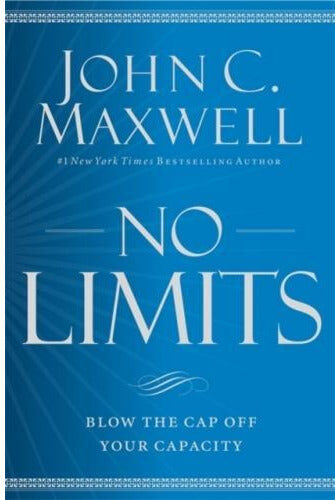
Little Brown Book Group No Limits: Blow the Cap Off Your Capacity by John C. Maxwell – Personal Growth & Leadership Development GuideNo Limits: Blow the CAP Off Your Capacity Description We often treat the word capacity as if it were a natural law of limitation. Unfortunately; most of us are much more comfortable defining what we perceive is off limits rather than what's possible. Could it be that many people have allowed what they perceive as capacity to define them? Have they allowed their perception to limit their attitudes about their potential? In his newest book; John Maxwell identifies 17 core capacities. Some of these are abilities we all already possess; such as energy; creativity and leadership. Others are aspects of our lives controlled by our choices; like our attitudes; character; and intentionality. Maxwell examines each of these 17 capacities; and provides clear and actionable advice on how you can increase your potential in each. He will guide you on how to identify; grow; and apply your critical capacities to your daily life. Once you've blown the 'cap' off your capacities; you'll find yourself more successful--and fulfilled--in your daily life.5,99 £*Shipping: 2,99 £Secure redirect to the provider
-
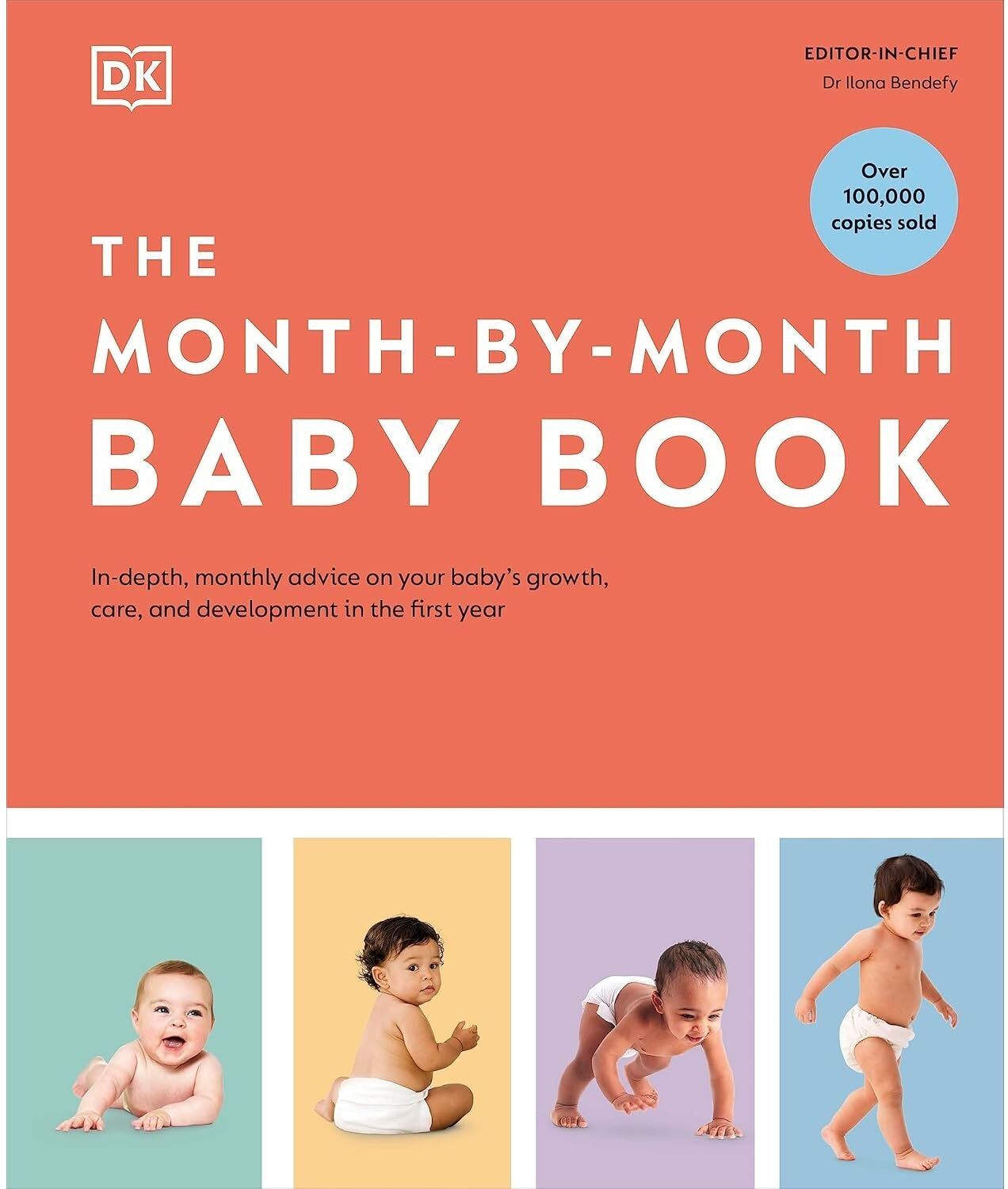
DK The Month-by-Month Baby Book: In-depth, Monthly Advice on Your Baby's Growth, Care, and Development in the First YearThe only book new parents will need for the extraordinary first year of their baby's life. This comprehensive book covers every moment of the first twelve months of your baby's life - from their first moments at home, feeding, and sleeping arrangements, to travelling, building their body strength, and starting to eat solids. A team of expert paediatricians, midwives, psychologists, and nutritionists provide unrivalled detail on everything new parents can expect. This new edition has been updated with the latest medical advice for a new generation of parents, and includes reassuring answers to common questions, offering additional support for whenever you need it. The Month-by-Month Baby Book perfectly complements the bestselling The Day-by-Day Pregnancy Book.16,99 £*Shipping: 2,99 £Secure redirect to the provider


-
How old is the Himalayas?
The Himalayas are estimated to be around 50 million years old. The mountain range was formed as a result of the collision between the Indian and Eurasian tectonic plates. Over millions of years, the Himalayas have continued to grow and change due to the ongoing movement of these plates. The Himalayas are considered relatively young compared to other mountain ranges on Earth. **
-
How high are the Himalayas?
The Himalayas are the highest mountain range in the world, with the highest peak being Mount Everest at 29,032 feet (8,849 meters) above sea level. The range spans across five countries - India, Nepal, Bhutan, China, and Pakistan - and includes over 100 mountains that are over 23,600 feet (7,200 meters) high. The average elevation of the Himalayas is around 16,000 feet (4,900 meters) above sea level, making it one of the most formidable and majestic mountain ranges on Earth. **
-
How was the Himalayas formed?
The Himalayas were formed through the collision of the Indian Plate and the Eurasian Plate. Around 50 million years ago, the Indian Plate began moving northward and eventually collided with the Eurasian Plate. This collision caused the Earth's crust to crumple and fold, resulting in the formation of the Himalayan mountain range. The ongoing tectonic activity in the region continues to push the Himalayas higher, making them one of the youngest and tallest mountain ranges in the world. **
-
Why are there no volcanoes in the Himalayas?
The Himalayas are formed by the collision of the Indian and Eurasian tectonic plates, which has resulted in the uplift of the region. This collision has caused the crust to thicken and push upwards, creating the towering mountain range. However, the process of subduction, which is responsible for the formation of volcanoes, is not occurring in the Himalayas. Instead, the collision has led to the formation of fold mountains, where the crust is pushed together and uplifted, but not melted and erupted as in the case of volcanic mountains. Therefore, the absence of subduction and the type of tectonic activity in the Himalayas are the reasons why there are no volcanoes in the region. **


Why is there no active volcanism in the Himalayas?
The Himalayas are formed by the collision of the Indian and Eurasian tectonic plates, which has resulted in the uplift of the region. This collision has caused the crust to thicken and compress, making it difficult for magma to rise to the surface and form volcanoes. Additionally, the Indian plate is currently moving northward and underthrusting beneath the Eurasian plate, which further inhibits volcanic activity in the region. As a result, the Himalayas do not have active volcanism. **
What is the climate like in the Bhutan Himalayas?
The climate in the Bhutan Himalayas varies depending on the altitude. In the lower regions, the climate is subtropical with hot and humid summers and mild winters. As you move higher up, the climate becomes cooler and more temperate, with a mix of temperate and alpine forests. At the highest elevations, the climate is alpine and can be very cold, with snow and freezing temperatures. Overall, the climate in the Bhutan Himalayas is diverse and can change dramatically with elevation. **
Top-Angebote
Products related to Himalayas:
-
EISENBERG Anti-Ageing Expertise skin care setEISENBERG Anti-Ageing Expertise, , Skin Serums for Women, Everything for beautiful-looking skin in one package. The EISENBERG Anti-Ageing Expertise beauty gift set contains not one but several products to help you create or enrich your daily beauty routine and make you or your loved ones happy to get it as a gift. The set contains: Eisenberg Classique Soin Anti-Âge anti-wrinkle firming cream 50 ml Eisenberg Classique Hydra Lifting light gel-cream for intensive hydration 15 ml Eisenberg Classique Sérum Régénérant Liftant anti-wrinkle lifting serum for tired skin 7,5 ml Characteristics: a set of cosmetic products for everyday use products for deep nourishment and hydration for perfectly soft and smooth skin a treat for any woman How to use: Use every product from the cosmetic set according to the instructions.146,80 £*Shipping: 3,99 £Secure redirect to the provider
-
Flythe Consulting Arika Wall Sconce Pair, Pair, Satin NickelThe Arika Wall Sconce Pair is an adaptation of old-fashioned light fixtures, with an appealing design that will complement modern decor. The lacquered solid brass sconces have 4.75 dia.x7 H clear glass hurricanes that will protect your standard...179,00 $*Shipping: 22,95 $Secure redirect to the provider
-
Sesderma Reti Age 5 Liposomal Serum Anti-Aging Innovation 30mLA facial serum for wrinkles and signs of ageing. Reduces wrinkles and fine lines. Hydrates and strengthens barrier. Restores youthful radiance. 5-Retinoid System: smooths wrinkles, accelerates renewal, and boosts collagen. Biomimetic Peptides: fill expression lines by stimulating collagen synthesis.41,69 £*Shipping: 5,34 £Secure redirect to the provider
-
What is the Himalayas?
The Himalayas is a vast mountain range in Asia, separating the plains of the Indian subcontinent from the Tibetan Plateau. It is home to some of the world's highest peaks, including Mount Everest, and spans five countries: India, Nepal, Bhutan, China, and Pakistan. The Himalayas are also known for their rich biodiversity, with a wide variety of flora and fauna found in the region. Additionally, the range has significant cultural and spiritual importance, with many sacred sites and pilgrimage routes located within its peaks and valleys. **
-
Where is the Himalayas located?
The Himalayas are located in Asia, spanning across five countries: India, Nepal, Bhutan, China, and Pakistan. This mountain range stretches over 1,500 miles from east to west, and its highest peak, Mount Everest, is situated in Nepal. The Himalayas are known for their majestic beauty and are a popular destination for trekkers, climbers, and nature enthusiasts. **
-
How old is the Himalayas?
The Himalayas are estimated to be around 50 million years old. The mountain range was formed as a result of the collision between the Indian and Eurasian tectonic plates. Over millions of years, the Himalayas have continued to grow and change due to the ongoing movement of these plates. The Himalayas are considered relatively young compared to other mountain ranges on Earth. **
-
How high are the Himalayas?
The Himalayas are the highest mountain range in the world, with the highest peak being Mount Everest at 29,032 feet (8,849 meters) above sea level. The range spans across five countries - India, Nepal, Bhutan, China, and Pakistan - and includes over 100 mountains that are over 23,600 feet (7,200 meters) high. The average elevation of the Himalayas is around 16,000 feet (4,900 meters) above sea level, making it one of the most formidable and majestic mountain ranges on Earth. **
Similar search terms for Himalayas
-
Little Brown Book Group No Limits: Blow the Cap Off Your Capacity by John C. Maxwell – Personal Growth & Leadership Development GuideNo Limits: Blow the CAP Off Your Capacity Description We often treat the word capacity as if it were a natural law of limitation. Unfortunately; most of us are much more comfortable defining what we perceive is off limits rather than what's possible. Could it be that many people have allowed what they perceive as capacity to define them? Have they allowed their perception to limit their attitudes about their potential? In his newest book; John Maxwell identifies 17 core capacities. Some of these are abilities we all already possess; such as energy; creativity and leadership. Others are aspects of our lives controlled by our choices; like our attitudes; character; and intentionality. Maxwell examines each of these 17 capacities; and provides clear and actionable advice on how you can increase your potential in each. He will guide you on how to identify; grow; and apply your critical capacities to your daily life. Once you've blown the 'cap' off your capacities; you'll find yourself more successful--and fulfilled--in your daily life.5,99 £*Shipping: 2,99 £Secure redirect to the provider
-
DK The Month-by-Month Baby Book: In-depth, Monthly Advice on Your Baby's Growth, Care, and Development in the First YearThe only book new parents will need for the extraordinary first year of their baby's life. This comprehensive book covers every moment of the first twelve months of your baby's life - from their first moments at home, feeding, and sleeping arrangements, to travelling, building their body strength, and starting to eat solids. A team of expert paediatricians, midwives, psychologists, and nutritionists provide unrivalled detail on everything new parents can expect. This new edition has been updated with the latest medical advice for a new generation of parents, and includes reassuring answers to common questions, offering additional support for whenever you need it. The Month-by-Month Baby Book perfectly complements the bestselling The Day-by-Day Pregnancy Book.16,99 £*Shipping: 2,99 £Secure redirect to the provider
-
HARPERCOLLINS Creative Confidence by Tom & David Kelley – Unleashing Your Creative Potential & Innovation MindsetA powerful and inspiring book from the founders of IDEO, the award-winning design firm, on unleashing the creativity that lies within each and every one of us. Too often, companies and individuals assume that creativity and innovation are the domain of the ‘creative types’. But two of the foremost experts in innovation, design and creativity on the planet show us that each and every one of us is creative. In an entertaining and inspiring narrative that draws on countless stories from their work at IDEO, and with many of the world's top companies and design firms, David and Tom Kelley identify the principles and strategies that will allow us to tap into our creative potential in our work lives, and in our personal lives, allow us to think outside the box in terms of how we approach and solve problems. ‘Creative Confidence’ is a book that will help each of us be more productive and successful in our lives and in our careers.4,95 £*Shipping: 1,99 £Secure redirect to the provider
-
Flythe Consulting Jonetia Hurricane Wall Sconce Pair Satin Brass, Pair, Satin BrassThe Jonetia Satin Brass Hurricane Wall Sconce Pair proudly displays grandeur on your walls. These hand-forged, solid brass sconces feature a diamond design and fleur-de-lis motif. Sconces have a lacquered, satin brass finish that is done by hand. A...229,00 $*Shipping: 32,06 $Secure redirect to the provider
-
How was the Himalayas formed?
The Himalayas were formed through the collision of the Indian Plate and the Eurasian Plate. Around 50 million years ago, the Indian Plate began moving northward and eventually collided with the Eurasian Plate. This collision caused the Earth's crust to crumple and fold, resulting in the formation of the Himalayan mountain range. The ongoing tectonic activity in the region continues to push the Himalayas higher, making them one of the youngest and tallest mountain ranges in the world. **
-
Why are there no volcanoes in the Himalayas?
The Himalayas are formed by the collision of the Indian and Eurasian tectonic plates, which has resulted in the uplift of the region. This collision has caused the crust to thicken and push upwards, creating the towering mountain range. However, the process of subduction, which is responsible for the formation of volcanoes, is not occurring in the Himalayas. Instead, the collision has led to the formation of fold mountains, where the crust is pushed together and uplifted, but not melted and erupted as in the case of volcanic mountains. Therefore, the absence of subduction and the type of tectonic activity in the Himalayas are the reasons why there are no volcanoes in the region. **
-
Why is there no active volcanism in the Himalayas?
The Himalayas are formed by the collision of the Indian and Eurasian tectonic plates, which has resulted in the uplift of the region. This collision has caused the crust to thicken and compress, making it difficult for magma to rise to the surface and form volcanoes. Additionally, the Indian plate is currently moving northward and underthrusting beneath the Eurasian plate, which further inhibits volcanic activity in the region. As a result, the Himalayas do not have active volcanism. **
-
What is the climate like in the Bhutan Himalayas?
The climate in the Bhutan Himalayas varies depending on the altitude. In the lower regions, the climate is subtropical with hot and humid summers and mild winters. As you move higher up, the climate becomes cooler and more temperate, with a mix of temperate and alpine forests. At the highest elevations, the climate is alpine and can be very cold, with snow and freezing temperatures. Overall, the climate in the Bhutan Himalayas is diverse and can change dramatically with elevation. **
* All prices are inclusive of VAT and, if applicable, plus shipping costs. The offer information is based on the details provided by the respective shop and is updated through automated processes. Real-time updates do not occur, so deviations can occur in individual cases. ** Note: Parts of this content were created by AI.