Buy consulting24.eu ?
We are moving the project
consulting24.eu .
Are you interested in purchasing the domain
consulting24.eu ?
domain@kv-gmbh.de · 0541-91531010
Buy consulting24.eu ?
Where can I buy radioactive minerals or radioactive stones?
You can buy radioactive minerals or stones from specialized online retailers that cater to collectors and enthusiasts of radioactive materials. These retailers often have a variety of radioactive minerals and stones available for purchase, along with information about their radioactivity levels and safety precautions. It's important to research and understand the potential risks and regulations associated with owning and handling radioactive materials before making a purchase. **
Is gold radioactive?
Gold is not radioactive. It is a stable element with a half-life longer than the age of the universe, meaning it does not undergo radioactive decay. This is why gold is often used in jewelry and other applications where stability and durability are important. **

Similar search terms for Radioactive
Top-Angebote
Products related to Radioactive:
-
Is Wismut radioactive?
Yes, Wismut is radioactive. It is a radioactive element with the atomic number 83 and is also known as bismuth. It has a half-life of over a billion times the current estimated age of the universe, making it a very stable radioactive element. Wismut is commonly used in various medical and industrial applications due to its radioactive properties. **
-
Are meteorites radioactive?
Some meteorites can contain radioactive elements, such as uranium and thorium, which can emit radiation. However, the level of radioactivity in meteorites is generally very low and not considered to be a significant health risk. In fact, the amount of radiation emitted by a typical meteorite is often comparable to the background radiation that we are exposed to on a daily basis. Therefore, while some meteorites may be slightly radioactive, they are not considered to be highly hazardous. **
-
Is Ruhla radioactive?
Ruhla itself is not inherently radioactive. However, like many places around the world, there may be naturally occurring radioactive elements in the environment. It is always important to be aware of any potential sources of radiation and take necessary precautions to minimize exposure. **
-
Is helium radioactive?
No, helium is not radioactive. Helium is a noble gas and is chemically inert, meaning it does not easily react with other elements. It is stable and does not undergo radioactive decay. Helium is commonly used in balloons, airships, and as a coolant in nuclear reactors because of its non-radioactive properties. **
What is the difference between radioactive and non-radioactive substances?
Radioactive substances contain unstable nuclei that undergo radioactive decay, emitting radiation in the form of alpha or beta particles, or gamma rays. This radiation can be harmful to living organisms and can cause damage to cells and DNA. Non-radioactive substances, on the other hand, do not emit radiation and are stable. They do not undergo radioactive decay and are generally considered safe for human exposure. **
Is radioactive radiation contagious?
No, radioactive radiation is not contagious. It cannot be transmitted from one person to another like a virus or bacteria. Radioactive radiation is emitted by radioactive materials and can only affect individuals who come into direct contact with those materials. **
Top-Angebote
Products related to Radioactive:
-
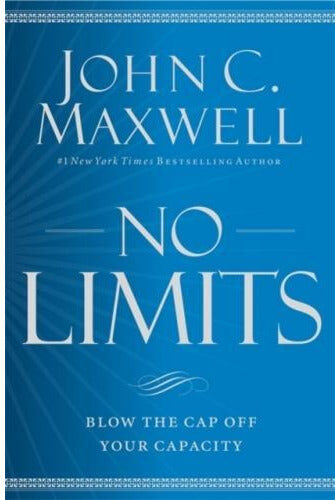
Little Brown Book Group No Limits: Blow the Cap Off Your Capacity by John C. Maxwell – Personal Growth & Leadership Development GuideNo Limits: Blow the CAP Off Your Capacity Description We often treat the word capacity as if it were a natural law of limitation. Unfortunately; most of us are much more comfortable defining what we perceive is off limits rather than what's possible. Could it be that many people have allowed what they perceive as capacity to define them? Have they allowed their perception to limit their attitudes about their potential? In his newest book; John Maxwell identifies 17 core capacities. Some of these are abilities we all already possess; such as energy; creativity and leadership. Others are aspects of our lives controlled by our choices; like our attitudes; character; and intentionality. Maxwell examines each of these 17 capacities; and provides clear and actionable advice on how you can increase your potential in each. He will guide you on how to identify; grow; and apply your critical capacities to your daily life. Once you've blown the 'cap' off your capacities; you'll find yourself more successful--and fulfilled--in your daily life.5,99 £*Shipping: 2,99 £Secure redirect to the provider
-
DK The Month-by-Month Baby Book: In-depth, Monthly Advice on Your Baby's Growth, Care, and Development in the First YearThe only book new parents will need for the extraordinary first year of their baby's life. This comprehensive book covers every moment of the first twelve months of your baby's life - from their first moments at home, feeding, and sleeping arrangements, to travelling, building their body strength, and starting to eat solids. A team of expert paediatricians, midwives, psychologists, and nutritionists provide unrivalled detail on everything new parents can expect. This new edition has been updated with the latest medical advice for a new generation of parents, and includes reassuring answers to common questions, offering additional support for whenever you need it. The Month-by-Month Baby Book perfectly complements the bestselling The Day-by-Day Pregnancy Book.16,99 £*Shipping: 2,99 £Secure redirect to the provider
-
Where can I buy radioactive minerals or radioactive stones?
You can buy radioactive minerals or stones from specialized online retailers that cater to collectors and enthusiasts of radioactive materials. These retailers often have a variety of radioactive minerals and stones available for purchase, along with information about their radioactivity levels and safety precautions. It's important to research and understand the potential risks and regulations associated with owning and handling radioactive materials before making a purchase. **
-
Is gold radioactive?
Gold is not radioactive. It is a stable element with a half-life longer than the age of the universe, meaning it does not undergo radioactive decay. This is why gold is often used in jewelry and other applications where stability and durability are important. **
-
Is Wismut radioactive?
Yes, Wismut is radioactive. It is a radioactive element with the atomic number 83 and is also known as bismuth. It has a half-life of over a billion times the current estimated age of the universe, making it a very stable radioactive element. Wismut is commonly used in various medical and industrial applications due to its radioactive properties. **
-
Are meteorites radioactive?
Some meteorites can contain radioactive elements, such as uranium and thorium, which can emit radiation. However, the level of radioactivity in meteorites is generally very low and not considered to be a significant health risk. In fact, the amount of radiation emitted by a typical meteorite is often comparable to the background radiation that we are exposed to on a daily basis. Therefore, while some meteorites may be slightly radioactive, they are not considered to be highly hazardous. **
Similar search terms for Radioactive
-
Is Ruhla radioactive?
Ruhla itself is not inherently radioactive. However, like many places around the world, there may be naturally occurring radioactive elements in the environment. It is always important to be aware of any potential sources of radiation and take necessary precautions to minimize exposure. **
-
Is helium radioactive?
No, helium is not radioactive. Helium is a noble gas and is chemically inert, meaning it does not easily react with other elements. It is stable and does not undergo radioactive decay. Helium is commonly used in balloons, airships, and as a coolant in nuclear reactors because of its non-radioactive properties. **
-
What is the difference between radioactive and non-radioactive substances?
Radioactive substances contain unstable nuclei that undergo radioactive decay, emitting radiation in the form of alpha or beta particles, or gamma rays. This radiation can be harmful to living organisms and can cause damage to cells and DNA. Non-radioactive substances, on the other hand, do not emit radiation and are stable. They do not undergo radioactive decay and are generally considered safe for human exposure. **
-
Is radioactive radiation contagious?
No, radioactive radiation is not contagious. It cannot be transmitted from one person to another like a virus or bacteria. Radioactive radiation is emitted by radioactive materials and can only affect individuals who come into direct contact with those materials. **
* All prices are inclusive of VAT and, if applicable, plus shipping costs. The offer information is based on the details provided by the respective shop and is updated through automated processes. Real-time updates do not occur, so deviations can occur in individual cases. ** Note: Parts of this content were created by AI.