Buy consulting24.eu ?
We are moving the project
consulting24.eu .
Are you interested in purchasing the domain
consulting24.eu ?
domain@kv-gmbh.de · 0541-91531010
Buy consulting24.eu ?
Which sects have their own scriptures?
Several sects within various religions have their own scriptures. For example, in Christianity, the Latter-day Saints (Mormons) have the Book of Mormon in addition to the Bible. In Islam, the Shia sect has their own collection of Hadiths and interpretations of the Quran. In Hinduism, different sects have their own sacred texts, such as the Vedas for the Vedic tradition, the Bhagavad Gita for the Vaishnavism tradition, and the Agamas for the Shaivism tradition. These scriptures often contain unique teachings and beliefs specific to each sect. **
What are the sacred scriptures of Buddhism?
The sacred scriptures of Buddhism are known as the Tripitaka, which means "Three Baskets" in Pali. The Tripitaka is a collection of teachings attributed to the Buddha and includes three sections: the Vinaya Pitaka (rules for monastic discipline), the Sutta Pitaka (discourses of the Buddha), and the Abhidhamma Pitaka (philosophical and psychological analysis). These scriptures are considered the most authoritative texts in Buddhism and are used by different Buddhist traditions around the world. **


Similar search terms for Scriptures
Top-Angebote
Products related to Scriptures:
-
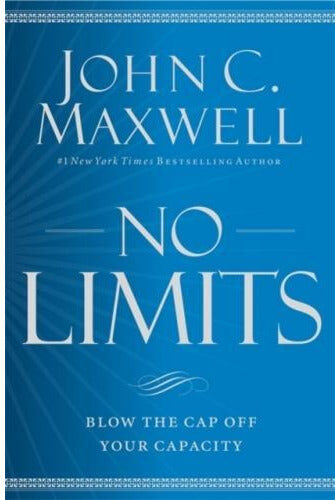
Little Brown Book Group No Limits: Blow the Cap Off Your Capacity by John C. Maxwell – Personal Growth & Leadership Development GuideNo Limits: Blow the CAP Off Your Capacity Description We often treat the word capacity as if it were a natural law of limitation. Unfortunately; most of us are much more comfortable defining what we perceive is off limits rather than what's possible. Could it be that many people have allowed what they perceive as capacity to define them? Have they allowed their perception to limit their attitudes about their potential? In his newest book; John Maxwell identifies 17 core capacities. Some of these are abilities we all already possess; such as energy; creativity and leadership. Others are aspects of our lives controlled by our choices; like our attitudes; character; and intentionality. Maxwell examines each of these 17 capacities; and provides clear and actionable advice on how you can increase your potential in each. He will guide you on how to identify; grow; and apply your critical capacities to your daily life. Once you've blown the 'cap' off your capacities; you'll find yourself more successful--and fulfilled--in your daily life.5,99 £*Shipping: 2,99 £Secure redirect to the provider
-
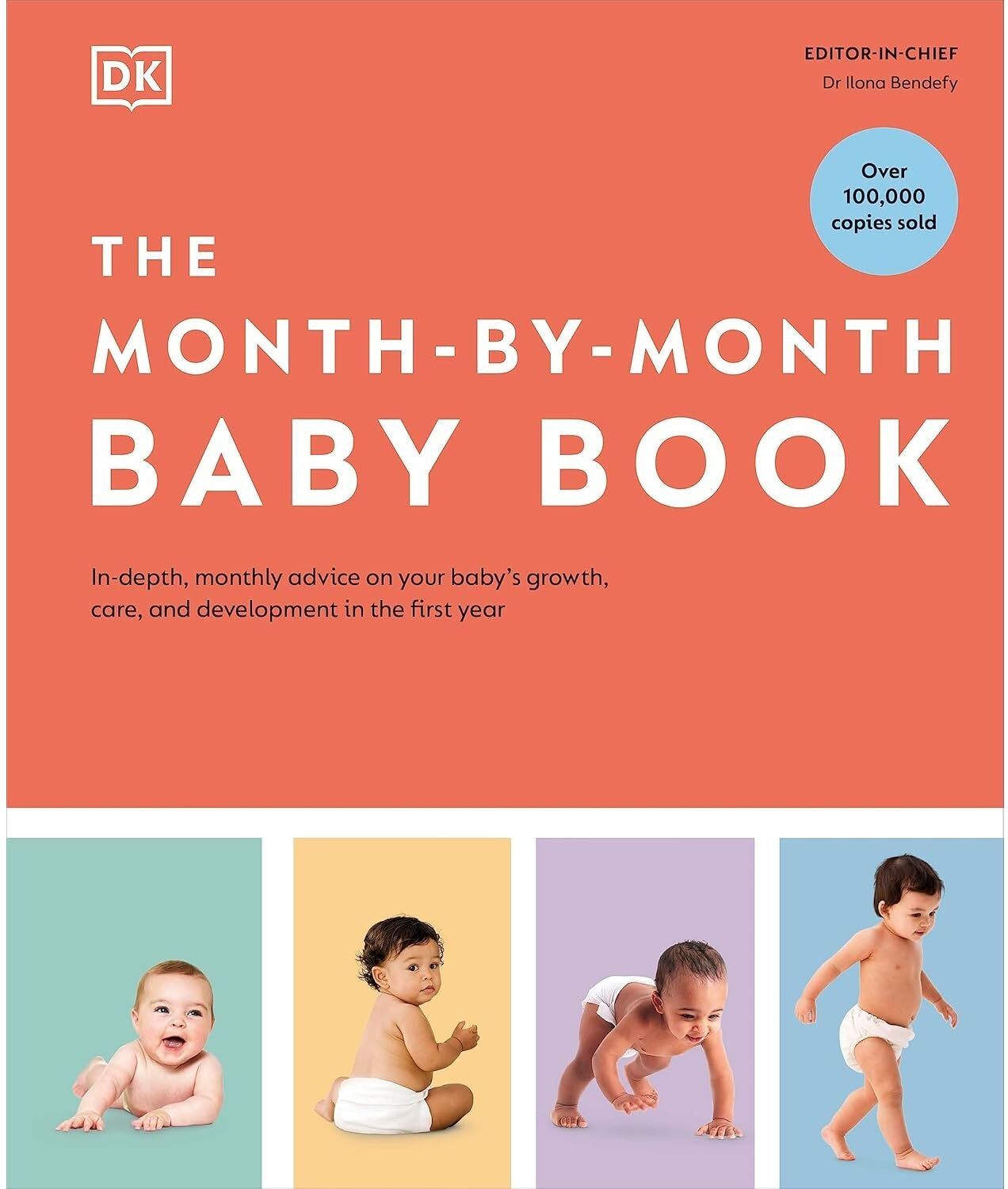
DK The Month-by-Month Baby Book: In-depth, Monthly Advice on Your Baby's Growth, Care, and Development in the First YearThe only book new parents will need for the extraordinary first year of their baby's life. This comprehensive book covers every moment of the first twelve months of your baby's life - from their first moments at home, feeding, and sleeping arrangements, to travelling, building their body strength, and starting to eat solids. A team of expert paediatricians, midwives, psychologists, and nutritionists provide unrivalled detail on everything new parents can expect. This new edition has been updated with the latest medical advice for a new generation of parents, and includes reassuring answers to common questions, offering additional support for whenever you need it. The Month-by-Month Baby Book perfectly complements the bestselling The Day-by-Day Pregnancy Book.16,99 £*Shipping: 2,99 £Secure redirect to the provider
-
What are the sacred scriptures in Buddhism?
The sacred scriptures in Buddhism are known as the Tripitaka, which means "Three Baskets." The Tripitaka is a collection of teachings attributed to the Buddha and is divided into three sections: the Vinaya Pitaka (rules for monks and nuns), the Sutta Pitaka (teachings and discourses of the Buddha), and the Abhidhamma Pitaka (philosophical and psychological analysis of the Buddha's teachings). These scriptures are considered the authoritative texts in Buddhism and are revered by Buddhists around the world. **
-
Do Jewish women also read the Holy Scriptures?
Yes, Jewish women also read the Holy Scriptures. In Judaism, both men and women are encouraged to study and engage with the sacred texts. Women have been active participants in Jewish religious life for centuries, and many have deep knowledge and understanding of the scriptures. In modern times, there are numerous resources available to help Jewish women access and study the Holy Scriptures. **
-
Do religious scriptures make prose and poetry absurd?
No, religious scriptures do not make prose and poetry absurd. In fact, many religious scriptures contain beautiful and profound prose and poetry that have inspired countless people throughout history. These scriptures often use poetic language and literary devices to convey deep spiritual and moral truths. While some may interpret religious scriptures in a literal and rigid manner, many others appreciate the poetic and metaphorical elements as a way to convey timeless wisdom and universal truths. **
-
What is the so-called ego death in religious scriptures?
The concept of ego death in religious scriptures refers to the idea of transcending the individual self and experiencing a sense of oneness with the divine or the universe. It is often described as a profound spiritual experience where the ego, or the sense of separate self, dissolves, leading to a deep sense of interconnectedness and unity. This concept is found in various religious traditions, such as Hinduism, Buddhism, and mystical branches of Christianity and Islam, and is often associated with the pursuit of spiritual enlightenment and liberation from suffering. The experience of ego death is seen as a transformative and liberating process that allows individuals to transcend their limited sense of self and connect with a higher reality. **
Why do Christians, Muslims, and Jews have holy scriptures at all?
Christians, Muslims, and Jews have holy scriptures because they believe that these texts contain the word of God and provide guidance for living a righteous life. These scriptures are seen as a source of moral and ethical teachings, as well as a way to understand the nature of God and the purpose of human existence. They are also considered to be a record of the relationship between God and humanity, and a source of inspiration and comfort for believers. Overall, these holy scriptures are central to the faith and practice of these religious traditions. **
How do people live who do not live according to the scriptures?
People who do not live according to the scriptures may lead a life that is not guided by moral or ethical principles outlined in religious texts. They may make decisions based solely on personal desires or societal norms rather than on religious teachings. Without the guidance of scriptures, individuals may struggle to find a sense of purpose, direction, or moral compass in their lives. Ultimately, their actions and choices may be driven by secular values or beliefs rather than spiritual ones. **
Top-Angebote
Products related to Scriptures:
-
Thirstystone Lovely Scriptures 4-Pack Tumbled Tile Stone Coasters Manufactured in The USA Absorbent Easily Wipes CleanABSORBENT STONE-Coasters arrive as a set of 4 Coasters. Each Coaster is constructed of absorbent stone that continuously absorbs drips and condensation from your beverages while preventing stains and rings on your furniture.27,58 $*Shipping: 0,00 $Secure redirect to the provider
-
CounterArt Sunny Scriptures Multi-Image Absorbent Stone Coasters with Protective Cork Backing, 4 Pack, Made in The USACounterArt Sunny Scriptures 4 Pack Coaster Set. Multi-Image, each Coaster has a different coordinating artistic design. Coaster measures 4” x 4” and they are square in shape Features a tumbled edge for a slightly rustic, yet classic appearance.30,49 $*Shipping: 0,00 $Secure redirect to the provider
-
Little Brown Book Group No Limits: Blow the Cap Off Your Capacity by John C. Maxwell – Personal Growth & Leadership Development GuideNo Limits: Blow the CAP Off Your Capacity Description We often treat the word capacity as if it were a natural law of limitation. Unfortunately; most of us are much more comfortable defining what we perceive is off limits rather than what's possible. Could it be that many people have allowed what they perceive as capacity to define them? Have they allowed their perception to limit their attitudes about their potential? In his newest book; John Maxwell identifies 17 core capacities. Some of these are abilities we all already possess; such as energy; creativity and leadership. Others are aspects of our lives controlled by our choices; like our attitudes; character; and intentionality. Maxwell examines each of these 17 capacities; and provides clear and actionable advice on how you can increase your potential in each. He will guide you on how to identify; grow; and apply your critical capacities to your daily life. Once you've blown the 'cap' off your capacities; you'll find yourself more successful--and fulfilled--in your daily life.5,99 £*Shipping: 2,99 £Secure redirect to the provider
-
DK The Month-by-Month Baby Book: In-depth, Monthly Advice on Your Baby's Growth, Care, and Development in the First YearThe only book new parents will need for the extraordinary first year of their baby's life. This comprehensive book covers every moment of the first twelve months of your baby's life - from their first moments at home, feeding, and sleeping arrangements, to travelling, building their body strength, and starting to eat solids. A team of expert paediatricians, midwives, psychologists, and nutritionists provide unrivalled detail on everything new parents can expect. This new edition has been updated with the latest medical advice for a new generation of parents, and includes reassuring answers to common questions, offering additional support for whenever you need it. The Month-by-Month Baby Book perfectly complements the bestselling The Day-by-Day Pregnancy Book.16,99 £*Shipping: 2,99 £Secure redirect to the provider
-
Which sects have their own scriptures?
Several sects within various religions have their own scriptures. For example, in Christianity, the Latter-day Saints (Mormons) have the Book of Mormon in addition to the Bible. In Islam, the Shia sect has their own collection of Hadiths and interpretations of the Quran. In Hinduism, different sects have their own sacred texts, such as the Vedas for the Vedic tradition, the Bhagavad Gita for the Vaishnavism tradition, and the Agamas for the Shaivism tradition. These scriptures often contain unique teachings and beliefs specific to each sect. **
-
What are the sacred scriptures of Buddhism?
The sacred scriptures of Buddhism are known as the Tripitaka, which means "Three Baskets" in Pali. The Tripitaka is a collection of teachings attributed to the Buddha and includes three sections: the Vinaya Pitaka (rules for monastic discipline), the Sutta Pitaka (discourses of the Buddha), and the Abhidhamma Pitaka (philosophical and psychological analysis). These scriptures are considered the most authoritative texts in Buddhism and are used by different Buddhist traditions around the world. **
-
What are the sacred scriptures in Buddhism?
The sacred scriptures in Buddhism are known as the Tripitaka, which means "Three Baskets." The Tripitaka is a collection of teachings attributed to the Buddha and is divided into three sections: the Vinaya Pitaka (rules for monks and nuns), the Sutta Pitaka (teachings and discourses of the Buddha), and the Abhidhamma Pitaka (philosophical and psychological analysis of the Buddha's teachings). These scriptures are considered the authoritative texts in Buddhism and are revered by Buddhists around the world. **
-
Do Jewish women also read the Holy Scriptures?
Yes, Jewish women also read the Holy Scriptures. In Judaism, both men and women are encouraged to study and engage with the sacred texts. Women have been active participants in Jewish religious life for centuries, and many have deep knowledge and understanding of the scriptures. In modern times, there are numerous resources available to help Jewish women access and study the Holy Scriptures. **
Similar search terms for Scriptures
-
Do religious scriptures make prose and poetry absurd?
No, religious scriptures do not make prose and poetry absurd. In fact, many religious scriptures contain beautiful and profound prose and poetry that have inspired countless people throughout history. These scriptures often use poetic language and literary devices to convey deep spiritual and moral truths. While some may interpret religious scriptures in a literal and rigid manner, many others appreciate the poetic and metaphorical elements as a way to convey timeless wisdom and universal truths. **
-
What is the so-called ego death in religious scriptures?
The concept of ego death in religious scriptures refers to the idea of transcending the individual self and experiencing a sense of oneness with the divine or the universe. It is often described as a profound spiritual experience where the ego, or the sense of separate self, dissolves, leading to a deep sense of interconnectedness and unity. This concept is found in various religious traditions, such as Hinduism, Buddhism, and mystical branches of Christianity and Islam, and is often associated with the pursuit of spiritual enlightenment and liberation from suffering. The experience of ego death is seen as a transformative and liberating process that allows individuals to transcend their limited sense of self and connect with a higher reality. **
-
Why do Christians, Muslims, and Jews have holy scriptures at all?
Christians, Muslims, and Jews have holy scriptures because they believe that these texts contain the word of God and provide guidance for living a righteous life. These scriptures are seen as a source of moral and ethical teachings, as well as a way to understand the nature of God and the purpose of human existence. They are also considered to be a record of the relationship between God and humanity, and a source of inspiration and comfort for believers. Overall, these holy scriptures are central to the faith and practice of these religious traditions. **
-
How do people live who do not live according to the scriptures?
People who do not live according to the scriptures may lead a life that is not guided by moral or ethical principles outlined in religious texts. They may make decisions based solely on personal desires or societal norms rather than on religious teachings. Without the guidance of scriptures, individuals may struggle to find a sense of purpose, direction, or moral compass in their lives. Ultimately, their actions and choices may be driven by secular values or beliefs rather than spiritual ones. **
* All prices are inclusive of VAT and, if applicable, plus shipping costs. The offer information is based on the details provided by the respective shop and is updated through automated processes. Real-time updates do not occur, so deviations can occur in individual cases. ** Note: Parts of this content were created by AI.