Buy consulting24.eu ?
We are moving the project
consulting24.eu .
Are you interested in purchasing the domain
consulting24.eu ?
domain@kv-gmbh.de · 0541-91531010
Buy consulting24.eu ?
Who can read shorthand?
Shorthand can be read by individuals who have been trained in the specific shorthand system being used. This typically includes stenographers, court reporters, journalists, secretaries, and other professionals who need to transcribe spoken language quickly and accurately. Learning shorthand requires practice and familiarity with the symbols and abbreviations used in the system. **
How does shorthand work?
Shorthand is a system of writing that uses symbols or abbreviations to represent words or phrases. These symbols are often based on phonetic sounds, making it quicker to write down spoken language. By using shorthand, a writer can capture information more efficiently and accurately than by writing in longhand. Shorthand is commonly used by journalists, court reporters, and secretaries to take notes quickly during interviews, meetings, or dictations. **

Similar search terms for Shorthand
Top-Angebote
Products related to Shorthand:
-
How can one learn shorthand?
One can learn shorthand by taking a course either online or in-person. There are many resources available such as textbooks, workbooks, and practice exercises to help with learning shorthand. Consistent practice is key to mastering shorthand, as it requires building muscle memory for the different symbols and strokes. Additionally, finding a mentor or joining a shorthand community can provide support and guidance throughout the learning process. **
-
Is shorthand still necessary today?
Shorthand is still necessary today for certain professions such as court reporting, journalism, and note-taking in meetings or lectures. While technology has made it easier to record and transcribe spoken words, shorthand remains a valuable skill for capturing information quickly and accurately. It can also be useful in situations where recording devices are not allowed or practical. Overall, while shorthand may not be as widely used as it once was, it still has its place in various professional settings. **
-
How can I learn shorthand?
Learning shorthand can be done through various methods such as taking a class, using online resources, or self-study with books and practice exercises. It's important to start by learning the basic symbols and rules of shorthand and then practice regularly to build speed and accuracy. Utilizing shorthand in everyday writing tasks, such as note-taking or transcribing, can also help reinforce the learning process. Additionally, seeking out opportunities to practice with others or receive feedback can further improve your shorthand skills. **
-
How can one decipher shorthand text?
Deciphering shorthand text requires familiarity with the specific shorthand system being used. One can start by learning the symbols and abbreviations commonly used in that system. Practice is key to improving speed and accuracy in deciphering shorthand text. Additionally, using context clues and understanding the subject matter can also help in interpreting shorthand text more effectively. **
Is the handwritten shorthand note legible?
No, the handwritten shorthand note is not legible. The writing is in shorthand, which is a system of writing that uses symbols or abbreviations to represent words or phrases. Without knowledge of shorthand symbols, it would be difficult to decipher the meaning of the note. **
Is the handwritten shorthand note decipherable?
The decipherability of the handwritten shorthand note depends on the reader's familiarity with shorthand symbols and systems. For someone trained in shorthand, the note may be decipherable with relative ease. However, for those unfamiliar with shorthand, the note may be difficult or impossible to decipher without additional context or assistance. The legibility of the handwriting and the clarity of the shorthand symbols will also impact the note's decipherability. **
Top-Angebote
Products related to Shorthand:
-
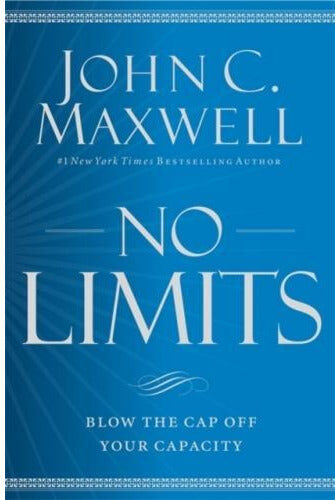
Little Brown Book Group No Limits: Blow the Cap Off Your Capacity by John C. Maxwell – Personal Growth & Leadership Development GuideNo Limits: Blow the CAP Off Your Capacity Description We often treat the word capacity as if it were a natural law of limitation. Unfortunately; most of us are much more comfortable defining what we perceive is off limits rather than what's possible. Could it be that many people have allowed what they perceive as capacity to define them? Have they allowed their perception to limit their attitudes about their potential? In his newest book; John Maxwell identifies 17 core capacities. Some of these are abilities we all already possess; such as energy; creativity and leadership. Others are aspects of our lives controlled by our choices; like our attitudes; character; and intentionality. Maxwell examines each of these 17 capacities; and provides clear and actionable advice on how you can increase your potential in each. He will guide you on how to identify; grow; and apply your critical capacities to your daily life. Once you've blown the 'cap' off your capacities; you'll find yourself more successful--and fulfilled--in your daily life.5,99 £*Shipping: 2,99 £Secure redirect to the provider
-
DK The Month-by-Month Baby Book: In-depth, Monthly Advice on Your Baby's Growth, Care, and Development in the First YearThe only book new parents will need for the extraordinary first year of their baby's life. This comprehensive book covers every moment of the first twelve months of your baby's life - from their first moments at home, feeding, and sleeping arrangements, to travelling, building their body strength, and starting to eat solids. A team of expert paediatricians, midwives, psychologists, and nutritionists provide unrivalled detail on everything new parents can expect. This new edition has been updated with the latest medical advice for a new generation of parents, and includes reassuring answers to common questions, offering additional support for whenever you need it. The Month-by-Month Baby Book perfectly complements the bestselling The Day-by-Day Pregnancy Book.16,99 £*Shipping: 2,99 £Secure redirect to the provider
-
Who can read shorthand?
Shorthand can be read by individuals who have been trained in the specific shorthand system being used. This typically includes stenographers, court reporters, journalists, secretaries, and other professionals who need to transcribe spoken language quickly and accurately. Learning shorthand requires practice and familiarity with the symbols and abbreviations used in the system. **
-
How does shorthand work?
Shorthand is a system of writing that uses symbols or abbreviations to represent words or phrases. These symbols are often based on phonetic sounds, making it quicker to write down spoken language. By using shorthand, a writer can capture information more efficiently and accurately than by writing in longhand. Shorthand is commonly used by journalists, court reporters, and secretaries to take notes quickly during interviews, meetings, or dictations. **
-
How can one learn shorthand?
One can learn shorthand by taking a course either online or in-person. There are many resources available such as textbooks, workbooks, and practice exercises to help with learning shorthand. Consistent practice is key to mastering shorthand, as it requires building muscle memory for the different symbols and strokes. Additionally, finding a mentor or joining a shorthand community can provide support and guidance throughout the learning process. **
-
Is shorthand still necessary today?
Shorthand is still necessary today for certain professions such as court reporting, journalism, and note-taking in meetings or lectures. While technology has made it easier to record and transcribe spoken words, shorthand remains a valuable skill for capturing information quickly and accurately. It can also be useful in situations where recording devices are not allowed or practical. Overall, while shorthand may not be as widely used as it once was, it still has its place in various professional settings. **
Similar search terms for Shorthand
-
How can I learn shorthand?
Learning shorthand can be done through various methods such as taking a class, using online resources, or self-study with books and practice exercises. It's important to start by learning the basic symbols and rules of shorthand and then practice regularly to build speed and accuracy. Utilizing shorthand in everyday writing tasks, such as note-taking or transcribing, can also help reinforce the learning process. Additionally, seeking out opportunities to practice with others or receive feedback can further improve your shorthand skills. **
-
How can one decipher shorthand text?
Deciphering shorthand text requires familiarity with the specific shorthand system being used. One can start by learning the symbols and abbreviations commonly used in that system. Practice is key to improving speed and accuracy in deciphering shorthand text. Additionally, using context clues and understanding the subject matter can also help in interpreting shorthand text more effectively. **
-
Is the handwritten shorthand note legible?
No, the handwritten shorthand note is not legible. The writing is in shorthand, which is a system of writing that uses symbols or abbreviations to represent words or phrases. Without knowledge of shorthand symbols, it would be difficult to decipher the meaning of the note. **
-
Is the handwritten shorthand note decipherable?
The decipherability of the handwritten shorthand note depends on the reader's familiarity with shorthand symbols and systems. For someone trained in shorthand, the note may be decipherable with relative ease. However, for those unfamiliar with shorthand, the note may be difficult or impossible to decipher without additional context or assistance. The legibility of the handwriting and the clarity of the shorthand symbols will also impact the note's decipherability. **
* All prices are inclusive of VAT and, if applicable, plus shipping costs. The offer information is based on the details provided by the respective shop and is updated through automated processes. Real-time updates do not occur, so deviations can occur in individual cases. ** Note: Parts of this content were created by AI.