Buy consulting24.eu ?
We are moving the project
consulting24.eu .
Are you interested in purchasing the domain
consulting24.eu ?
domain@kv-gmbh.de · 0541-91531010
Buy consulting24.eu ?
What is sustainable development?
Sustainable development is a concept that aims to meet the needs of the present without compromising the ability of future generations to meet their own needs. It involves finding a balance between economic growth, social development, and environmental protection. Sustainable development seeks to address the interconnected challenges of poverty, inequality, and environmental degradation by promoting long-term solutions that consider the well-being of both current and future generations. It emphasizes the importance of responsible resource management, social equity, and environmental stewardship to create a more sustainable and resilient future for all. **
Is sustainable economic growth unrealistic?
Sustainable economic growth is not unrealistic, but it requires a shift in mindset and practices towards more environmentally friendly and socially responsible approaches. By prioritizing long-term benefits over short-term gains, investing in renewable resources, and promoting fair trade practices, sustainable economic growth can be achieved. It may require sacrifices and changes in current economic models, but with collective effort and commitment, it is possible to create a more sustainable and equitable economy for future generations. **


Similar search terms for Sustainable
Top-Angebote
Products related to Sustainable:
-
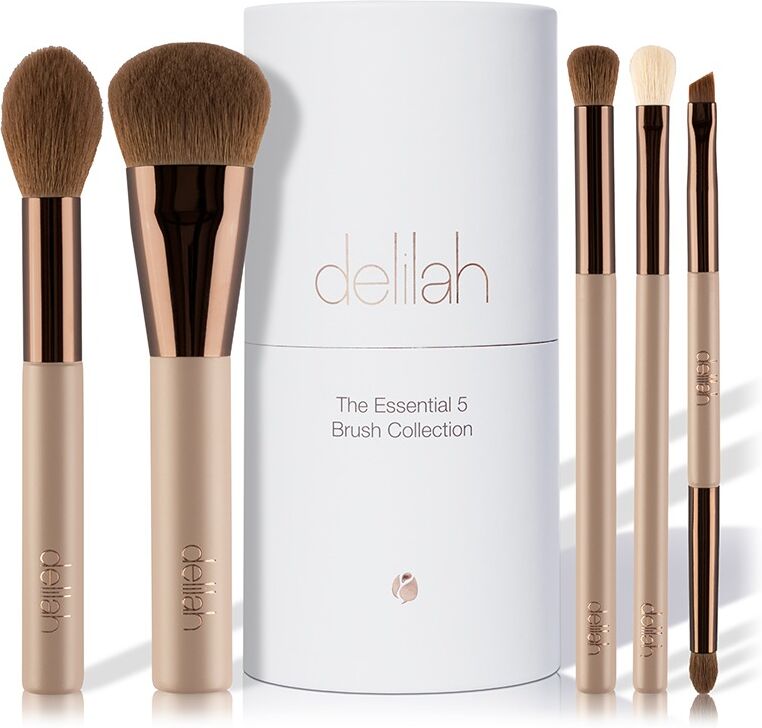
delilah Cosmetics Piece Brush Collection Vegan & SustainableThis set by Delilah includes all of the brushes you need for flawless and easy make-up application! With this limited edition line of professional quality brushes for eyes, cheeks and complexion your your makeup routine will be enhanced like never before! This 5 piece set includes delilah's Complexion, Concealer, Finishing, Shadow and Precision brushes and all are housed in a sleek new 100% sustainable container for the ultimate ethical luxury!98,00 £*Shipping: 0,00 £Secure redirect to the provider
-
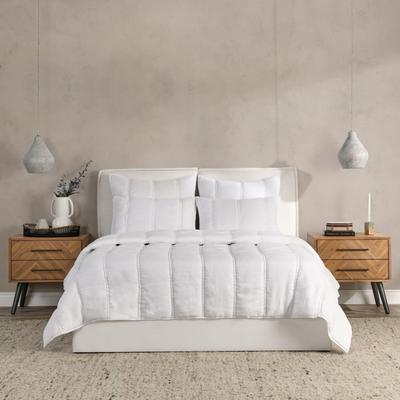
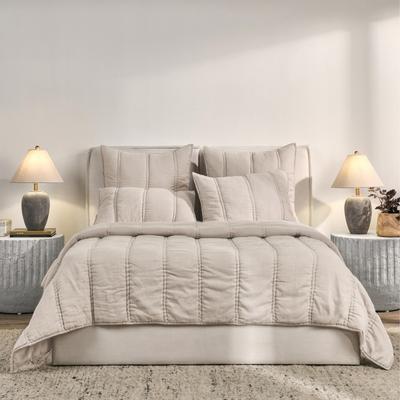
Villa by Classic Home Rowen Sustainable Fabric QuiltQuilted by hand with a large, channel-stitched design, this quilt brings a crisp, airy look and feel to any space. Ramie, a material with the sheen of silk and the textural of linen, offers premium strength and soft breathability502,79 $*Shipping: 0,00 $Secure redirect to the provider


-
What is important for sustainable urban development?
Sustainable urban development is important for creating livable, resilient, and inclusive cities for current and future generations. Key factors for sustainable urban development include promoting compact and efficient land use, investing in public transportation and infrastructure, prioritizing green spaces and biodiversity, and implementing energy-efficient and environmentally friendly building practices. Additionally, community engagement and participation, social equity, and economic prosperity are crucial for creating sustainable urban environments. Finally, effective governance and collaboration between government, businesses, and civil society are essential for achieving sustainable urban development goals. **
-
What is sustainable and equitable economic growth?
Sustainable and equitable economic growth refers to a type of economic development that is environmentally sustainable and benefits all members of society. It involves creating economic opportunities and improving living standards for all, while also ensuring that natural resources are used efficiently and preserved for future generations. This type of growth also aims to reduce inequality and promote social inclusion, so that the benefits of economic development are shared by everyone in society. Overall, sustainable and equitable economic growth seeks to balance economic progress with social and environmental responsibility. **
-
Is sustainable urban development a model for the future?
Yes, sustainable urban development is a model for the future as it promotes the creation of cities that are environmentally friendly, socially inclusive, and economically viable. By integrating green spaces, efficient public transportation, and renewable energy sources, sustainable urban development can help reduce carbon emissions and mitigate the impacts of climate change. Additionally, it can improve the quality of life for residents by providing access to affordable housing, healthcare, education, and job opportunities. Overall, sustainable urban development offers a holistic approach to city planning that can contribute to a more resilient and equitable future for urban areas. **
-
How can continuous and sustainable economic growth be achieved?
Continuous and sustainable economic growth can be achieved through a combination of factors such as investment in education and technology, infrastructure development, and innovation. Encouraging entrepreneurship and small business development can also contribute to economic growth. Additionally, promoting environmental sustainability and responsible resource management is crucial for long-term economic growth. Finally, fostering a stable and supportive regulatory environment and promoting international trade and cooperation can also contribute to sustainable economic growth. **

What are the Sustainable Development Goals (SDGs) and the Millennium Development Goals (MDGs)?
The Sustainable Development Goals (SDGs) are a set of 17 global goals adopted by the United Nations in 2015 to address various social, economic, and environmental challenges. The SDGs aim to achieve a more sustainable and equitable world by 2030, focusing on issues such as poverty, inequality, climate change, and environmental degradation. The Millennium Development Goals (MDGs) were a set of eight international development goals established in 2000 with a target to be achieved by 2015. The MDGs focused on reducing poverty, improving education, and promoting gender equality, among other objectives. The SDGs build upon the progress and lessons learned from the MDGs and provide a more comprehensive and ambitious framework for global development. **
Is leather sustainable?
Leather is not considered a sustainable material due to the environmental impact of raising livestock for leather production. The meat and dairy industries associated with leather production contribute to deforestation, greenhouse gas emissions, and water pollution. Additionally, the tanning process used to treat leather involves the use of toxic chemicals that can harm the environment and human health. As a result, many people are opting for more sustainable alternatives to leather, such as plant-based materials or recycled fabrics. **
Top-Angebote
Products related to Sustainable:
-
Uplift Essentials Hanging Bat Sustainable Freshness Car Air Freshener Hanging Bat Sustainable Freshness Car Air FreshenerInfuse your daily drive with a touch of gothic charm and refreshing aromas with the Hanging Bat Sustainable Freshness Car Air Freshener. This unique aromatherapy scented paper pendant is designed for those who appreciate a bold aesthetic paired with...34,97 $*Shipping: 0,00 $Secure redirect to the provider
-
delilah Cosmetics Piece Brush Collection Vegan & SustainableThis set by Delilah includes all of the brushes you need for flawless and easy make-up application! With this limited edition line of professional quality brushes for eyes, cheeks and complexion your your makeup routine will be enhanced like never before! This 5 piece set includes delilah's Complexion, Concealer, Finishing, Shadow and Precision brushes and all are housed in a sleek new 100% sustainable container for the ultimate ethical luxury!98,00 £*Shipping: 0,00 £Secure redirect to the provider
-
What is sustainable development?
Sustainable development is a concept that aims to meet the needs of the present without compromising the ability of future generations to meet their own needs. It involves finding a balance between economic growth, social development, and environmental protection. Sustainable development seeks to address the interconnected challenges of poverty, inequality, and environmental degradation by promoting long-term solutions that consider the well-being of both current and future generations. It emphasizes the importance of responsible resource management, social equity, and environmental stewardship to create a more sustainable and resilient future for all. **
-
Is sustainable economic growth unrealistic?
Sustainable economic growth is not unrealistic, but it requires a shift in mindset and practices towards more environmentally friendly and socially responsible approaches. By prioritizing long-term benefits over short-term gains, investing in renewable resources, and promoting fair trade practices, sustainable economic growth can be achieved. It may require sacrifices and changes in current economic models, but with collective effort and commitment, it is possible to create a more sustainable and equitable economy for future generations. **
-
What is important for sustainable urban development?
Sustainable urban development is important for creating livable, resilient, and inclusive cities for current and future generations. Key factors for sustainable urban development include promoting compact and efficient land use, investing in public transportation and infrastructure, prioritizing green spaces and biodiversity, and implementing energy-efficient and environmentally friendly building practices. Additionally, community engagement and participation, social equity, and economic prosperity are crucial for creating sustainable urban environments. Finally, effective governance and collaboration between government, businesses, and civil society are essential for achieving sustainable urban development goals. **
-
What is sustainable and equitable economic growth?
Sustainable and equitable economic growth refers to a type of economic development that is environmentally sustainable and benefits all members of society. It involves creating economic opportunities and improving living standards for all, while also ensuring that natural resources are used efficiently and preserved for future generations. This type of growth also aims to reduce inequality and promote social inclusion, so that the benefits of economic development are shared by everyone in society. Overall, sustainable and equitable economic growth seeks to balance economic progress with social and environmental responsibility. **
Similar search terms for Sustainable
-
Villa by Classic Home Rowen Sustainable Fabric QuiltQuilted by hand with a large, channel-stitched design, this quilt brings a crisp, airy look and feel to any space. Ramie, a material with the sheen of silk and the textural of linen, offers premium strength and soft breathability502,79 $*Shipping: 0,00 $Secure redirect to the provider
-
Villa by Classic Home Rowen Sustainable Fabric QuiltQuilted by hand with a large, channel-stitched design, this quilt brings a crisp, airy look and feel to any space. Ramie, a material with the sheen of silk and the textural of linen, offers premium strength and soft breathability523,99 $*Shipping: 0,00 $Secure redirect to the provider
-
Villa by Classic Home Rowen Sustainable Fabric QuiltQuilted by hand with a large, channel-stitched design, this quilt brings a crisp, airy look and feel to any space. Ramie, a material with the sheen of silk and the textural of linen, offers premium strength and soft breathability626,99 $*Shipping: 0,00 $Secure redirect to the provider
-
Is sustainable urban development a model for the future?
Yes, sustainable urban development is a model for the future as it promotes the creation of cities that are environmentally friendly, socially inclusive, and economically viable. By integrating green spaces, efficient public transportation, and renewable energy sources, sustainable urban development can help reduce carbon emissions and mitigate the impacts of climate change. Additionally, it can improve the quality of life for residents by providing access to affordable housing, healthcare, education, and job opportunities. Overall, sustainable urban development offers a holistic approach to city planning that can contribute to a more resilient and equitable future for urban areas. **
-
How can continuous and sustainable economic growth be achieved?
Continuous and sustainable economic growth can be achieved through a combination of factors such as investment in education and technology, infrastructure development, and innovation. Encouraging entrepreneurship and small business development can also contribute to economic growth. Additionally, promoting environmental sustainability and responsible resource management is crucial for long-term economic growth. Finally, fostering a stable and supportive regulatory environment and promoting international trade and cooperation can also contribute to sustainable economic growth. **
-
What are the Sustainable Development Goals (SDGs) and the Millennium Development Goals (MDGs)?
The Sustainable Development Goals (SDGs) are a set of 17 global goals adopted by the United Nations in 2015 to address various social, economic, and environmental challenges. The SDGs aim to achieve a more sustainable and equitable world by 2030, focusing on issues such as poverty, inequality, climate change, and environmental degradation. The Millennium Development Goals (MDGs) were a set of eight international development goals established in 2000 with a target to be achieved by 2015. The MDGs focused on reducing poverty, improving education, and promoting gender equality, among other objectives. The SDGs build upon the progress and lessons learned from the MDGs and provide a more comprehensive and ambitious framework for global development. **
-
Is leather sustainable?
Leather is not considered a sustainable material due to the environmental impact of raising livestock for leather production. The meat and dairy industries associated with leather production contribute to deforestation, greenhouse gas emissions, and water pollution. Additionally, the tanning process used to treat leather involves the use of toxic chemicals that can harm the environment and human health. As a result, many people are opting for more sustainable alternatives to leather, such as plant-based materials or recycled fabrics. **
* All prices are inclusive of VAT and, if applicable, plus shipping costs. The offer information is based on the details provided by the respective shop and is updated through automated processes. Real-time updates do not occur, so deviations can occur in individual cases. ** Note: Parts of this content were created by AI.