Buy consulting24.eu ?
We are moving the project
consulting24.eu .
Are you interested in purchasing the domain
consulting24.eu ?
domain@kv-gmbh.de · 0541-91531010
Buy consulting24.eu ?
What factors stop growth?
Several factors can stop growth, including lack of access to resources such as education, healthcare, and economic opportunities. Inadequate nutrition and poor living conditions can also hinder physical growth and development. Additionally, environmental factors such as pollution and climate change can have negative effects on growth. Finally, social and political factors such as discrimination, conflict, and instability can create barriers to growth and development. **
What are growth factors or growth rates?
Growth factors or growth rates refer to the percentage increase in a specific variable over a certain period of time. In the context of economics, growth rates typically refer to the increase in a country's GDP or the expansion of a company's revenue. These factors are important indicators of the health and development of an economy or business, as they show how quickly it is expanding or contracting. Understanding growth factors or growth rates can help policymakers, investors, and business leaders make informed decisions about future strategies and investments. **


Similar search terms for Factors
Top-Angebote
Products related to Factors:
-
Flythe Consulting Arika Wall Sconce Pair, Pair, Satin NickelThe Arika Wall Sconce Pair is an adaptation of old-fashioned light fixtures, with an appealing design that will complement modern decor. The lacquered solid brass sconces have 4.75 dia.x7 H clear glass hurricanes that will protect your standard...179,00 $*Shipping: 22,95 $Secure redirect to the provider
-
HARPERCOLLINS Creative Confidence by Tom & David Kelley – Unleashing Your Creative Potential & Innovation MindsetA powerful and inspiring book from the founders of IDEO, the award-winning design firm, on unleashing the creativity that lies within each and every one of us. Too often, companies and individuals assume that creativity and innovation are the domain of the ‘creative types’. But two of the foremost experts in innovation, design and creativity on the planet show us that each and every one of us is creative. In an entertaining and inspiring narrative that draws on countless stories from their work at IDEO, and with many of the world's top companies and design firms, David and Tom Kelley identify the principles and strategies that will allow us to tap into our creative potential in our work lives, and in our personal lives, allow us to think outside the box in terms of how we approach and solve problems. ‘Creative Confidence’ is a book that will help each of us be more productive and successful in our lives and in our careers.4,95 £*Shipping: 1,99 £Secure redirect to the provider
-
Little Brown Book Group No Limits: Blow the Cap Off Your Capacity by John C. Maxwell – Personal Growth & Leadership Development GuideNo Limits: Blow the CAP Off Your Capacity Description We often treat the word capacity as if it were a natural law of limitation. Unfortunately; most of us are much more comfortable defining what we perceive is off limits rather than what's possible. Could it be that many people have allowed what they perceive as capacity to define them? Have they allowed their perception to limit their attitudes about their potential? In his newest book; John Maxwell identifies 17 core capacities. Some of these are abilities we all already possess; such as energy; creativity and leadership. Others are aspects of our lives controlled by our choices; like our attitudes; character; and intentionality. Maxwell examines each of these 17 capacities; and provides clear and actionable advice on how you can increase your potential in each. He will guide you on how to identify; grow; and apply your critical capacities to your daily life. Once you've blown the 'cap' off your capacities; you'll find yourself more successful--and fulfilled--in your daily life.5,99 £*Shipping: 2,99 £Secure redirect to the provider
-
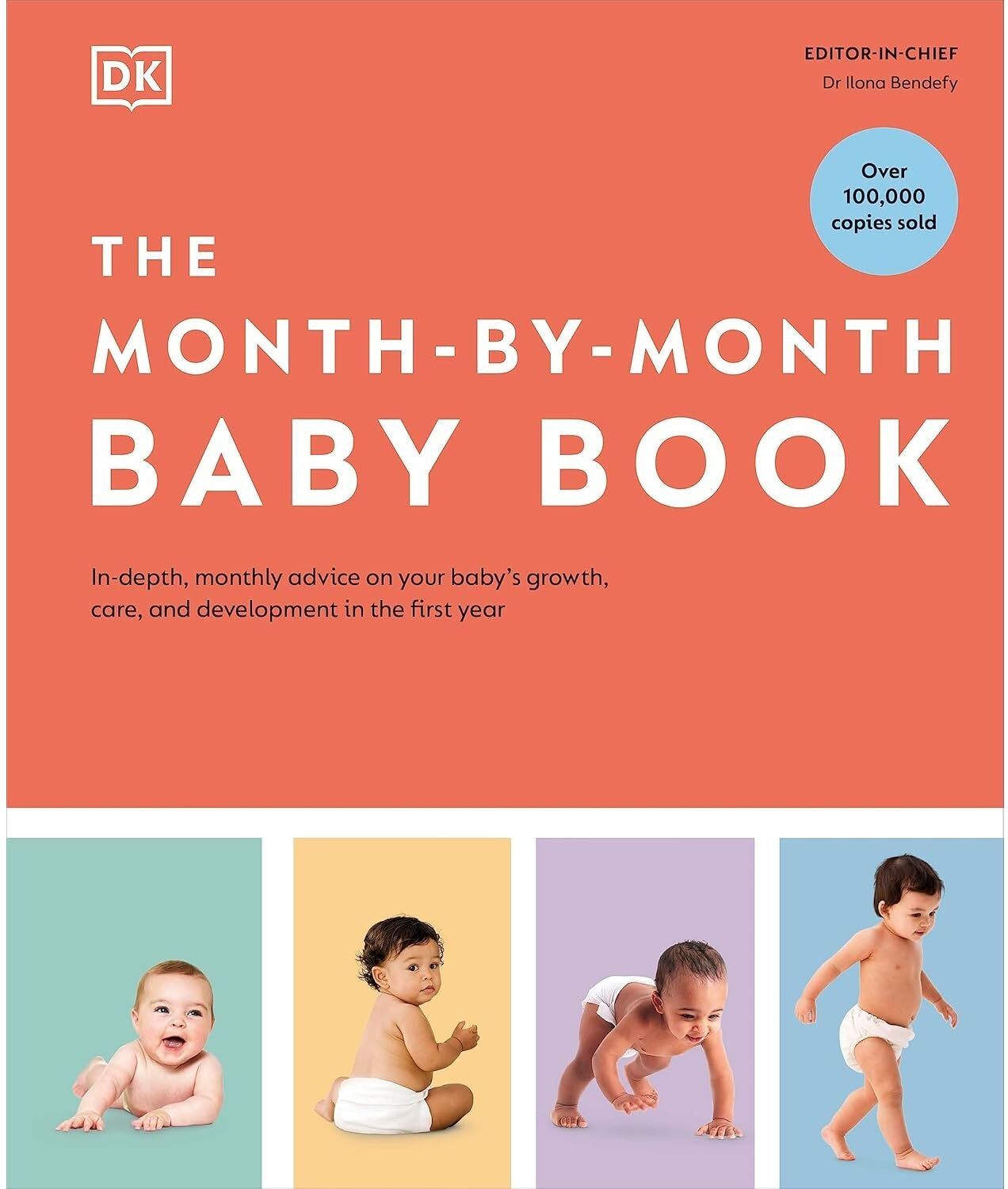
DK The Month-by-Month Baby Book: In-depth, Monthly Advice on Your Baby's Growth, Care, and Development in the First YearThe only book new parents will need for the extraordinary first year of their baby's life. This comprehensive book covers every moment of the first twelve months of your baby's life - from their first moments at home, feeding, and sleeping arrangements, to travelling, building their body strength, and starting to eat solids. A team of expert paediatricians, midwives, psychologists, and nutritionists provide unrivalled detail on everything new parents can expect. This new edition has been updated with the latest medical advice for a new generation of parents, and includes reassuring answers to common questions, offering additional support for whenever you need it. The Month-by-Month Baby Book perfectly complements the bestselling The Day-by-Day Pregnancy Book.16,99 £*Shipping: 2,99 £Secure redirect to the provider



-
Which upbringing factors favor a neurotic development?
Several factors in upbringing can favor a neurotic development, including inconsistent or harsh parenting, neglect, abuse, and exposure to chronic stress or trauma. Children who grow up in environments where their emotional needs are not consistently met, or where they experience unpredictable or threatening situations, are more likely to develop neurotic tendencies. Additionally, overprotective or controlling parenting styles can also contribute to the development of neurotic traits, as they may inhibit a child's ability to develop healthy coping mechanisms and resilience. **
-
What do push factors and pull factors mean?
Push factors are circumstances that force individuals to leave their current location, such as poverty, political instability, or lack of job opportunities. Pull factors, on the other hand, are conditions that attract individuals to a new location, such as better job prospects, higher quality of life, or political stability. Both push and pull factors play a significant role in influencing migration patterns and decisions. **
-
What are the factors inhibiting and promoting development in Angola?
In Angola, factors inhibiting development include a history of political instability and corruption, which have hindered economic growth and investment. Additionally, the reliance on oil exports has made the economy vulnerable to fluctuations in global oil prices. Poor infrastructure, limited access to education and healthcare, and a high poverty rate also contribute to the challenges facing development in Angola. On the other hand, factors promoting development in Angola include the country's rich natural resources, such as oil, diamonds, and other minerals, which have the potential to drive economic growth if managed effectively. Efforts to diversify the economy, improve governance, and invest in infrastructure and human capital are also key factors that can help promote development in Angola. Additionally, the country's strategic location and potential for regional trade and investment present opportunities for growth and development. **
-
To which factors do biotic and abiotic factors belong?
Biotic factors belong to living organisms such as plants, animals, fungi, and bacteria, while abiotic factors belong to non-living elements such as temperature, water, sunlight, soil, and air. Both biotic and abiotic factors play crucial roles in shaping ecosystems and influencing the distribution and abundance of species within those ecosystems. They interact with each other to create complex and dynamic environments. **


What role do genetic factors play in the development of depression?
Genetic factors are thought to play a significant role in the development of depression. Research has shown that individuals with a family history of depression are at a higher risk of developing the condition themselves. Studies have also identified specific genes that may be associated with an increased susceptibility to depression. However, it's important to note that genetics are just one piece of the puzzle, and environmental factors and life experiences also play a crucial role in the development of depression. **
What location factors can be mentioned for the development of cities?
Several location factors can be mentioned for the development of cities, including proximity to natural resources, access to transportation networks, availability of labor, and favorable climate conditions. Additionally, the presence of educational and healthcare facilities, as well as cultural and recreational amenities, can also contribute to the development of cities. Furthermore, government policies and regulations, as well as historical and cultural significance, can also play a role in the development of cities. **
Top-Angebote
Products related to Factors:
-
Macmillan Business How Big Things Get Done: The Surprising Factors Behind Every Successful Project, from Home Renovations to Space ExplorationHow Big Things Get Done: The Surprising Factors Behind Every Successful Project, from Home Renovations to Space Exploration Nothing is more inspiring than a big vision that becomes a triumphant new reality. Think of how Apple’s iPod went from a project with a single employee to an enormously successful product launch in eleven months. But such successes are the exception. Consider how London’s Crossrail project delivered five years late and billions over budget. More modest endeavours, whether launching a small business, organizing a conference, or just finishing a work project on time, also commonly fail. Why? Understanding what distinguishes the triumphs from the failures has been the life’s work of Oxford professor Bent Flyvbjerg. In How Big Things Get Done, he identifies the errors that lead projects to fail, and the research-based principles that will make yours succeed: Understand your odds. If you don’t know them, you won’t win. Plan slow, act fast. Getting to the action quick feels right. But it’s wrong. Think right to left. Start with your goal, then identify the steps to get there. Find your Lego. Big is best built from small. Master the unknown unknowns. Most think they can’t, so they fail. Flyvbjerg shows how you can. Full of vivid examples ranging from the building of the Sydney Opera House to the making of the latest Pixar blockbusters, How Big Things Get Done reveals how to get any ambitious project done – on time and on budget.2,99 £*Shipping: 1,99 £Secure redirect to the provider
-
Flythe Consulting Arika Wall Sconce Pair, Pair, Satin NickelThe Arika Wall Sconce Pair is an adaptation of old-fashioned light fixtures, with an appealing design that will complement modern decor. The lacquered solid brass sconces have 4.75 dia.x7 H clear glass hurricanes that will protect your standard...179,00 $*Shipping: 22,95 $Secure redirect to the provider
-
HARPERCOLLINS Creative Confidence by Tom & David Kelley – Unleashing Your Creative Potential & Innovation MindsetA powerful and inspiring book from the founders of IDEO, the award-winning design firm, on unleashing the creativity that lies within each and every one of us. Too often, companies and individuals assume that creativity and innovation are the domain of the ‘creative types’. But two of the foremost experts in innovation, design and creativity on the planet show us that each and every one of us is creative. In an entertaining and inspiring narrative that draws on countless stories from their work at IDEO, and with many of the world's top companies and design firms, David and Tom Kelley identify the principles and strategies that will allow us to tap into our creative potential in our work lives, and in our personal lives, allow us to think outside the box in terms of how we approach and solve problems. ‘Creative Confidence’ is a book that will help each of us be more productive and successful in our lives and in our careers.4,95 £*Shipping: 1,99 £Secure redirect to the provider
-
What factors stop growth?
Several factors can stop growth, including lack of access to resources such as education, healthcare, and economic opportunities. Inadequate nutrition and poor living conditions can also hinder physical growth and development. Additionally, environmental factors such as pollution and climate change can have negative effects on growth. Finally, social and political factors such as discrimination, conflict, and instability can create barriers to growth and development. **
-
What are growth factors or growth rates?
Growth factors or growth rates refer to the percentage increase in a specific variable over a certain period of time. In the context of economics, growth rates typically refer to the increase in a country's GDP or the expansion of a company's revenue. These factors are important indicators of the health and development of an economy or business, as they show how quickly it is expanding or contracting. Understanding growth factors or growth rates can help policymakers, investors, and business leaders make informed decisions about future strategies and investments. **
-
Which upbringing factors favor a neurotic development?
Several factors in upbringing can favor a neurotic development, including inconsistent or harsh parenting, neglect, abuse, and exposure to chronic stress or trauma. Children who grow up in environments where their emotional needs are not consistently met, or where they experience unpredictable or threatening situations, are more likely to develop neurotic tendencies. Additionally, overprotective or controlling parenting styles can also contribute to the development of neurotic traits, as they may inhibit a child's ability to develop healthy coping mechanisms and resilience. **
-
What do push factors and pull factors mean?
Push factors are circumstances that force individuals to leave their current location, such as poverty, political instability, or lack of job opportunities. Pull factors, on the other hand, are conditions that attract individuals to a new location, such as better job prospects, higher quality of life, or political stability. Both push and pull factors play a significant role in influencing migration patterns and decisions. **
Similar search terms for Factors
-
Little Brown Book Group No Limits: Blow the Cap Off Your Capacity by John C. Maxwell – Personal Growth & Leadership Development GuideNo Limits: Blow the CAP Off Your Capacity Description We often treat the word capacity as if it were a natural law of limitation. Unfortunately; most of us are much more comfortable defining what we perceive is off limits rather than what's possible. Could it be that many people have allowed what they perceive as capacity to define them? Have they allowed their perception to limit their attitudes about their potential? In his newest book; John Maxwell identifies 17 core capacities. Some of these are abilities we all already possess; such as energy; creativity and leadership. Others are aspects of our lives controlled by our choices; like our attitudes; character; and intentionality. Maxwell examines each of these 17 capacities; and provides clear and actionable advice on how you can increase your potential in each. He will guide you on how to identify; grow; and apply your critical capacities to your daily life. Once you've blown the 'cap' off your capacities; you'll find yourself more successful--and fulfilled--in your daily life.5,99 £*Shipping: 2,99 £Secure redirect to the provider
-
DK The Month-by-Month Baby Book: In-depth, Monthly Advice on Your Baby's Growth, Care, and Development in the First YearThe only book new parents will need for the extraordinary first year of their baby's life. This comprehensive book covers every moment of the first twelve months of your baby's life - from their first moments at home, feeding, and sleeping arrangements, to travelling, building their body strength, and starting to eat solids. A team of expert paediatricians, midwives, psychologists, and nutritionists provide unrivalled detail on everything new parents can expect. This new edition has been updated with the latest medical advice for a new generation of parents, and includes reassuring answers to common questions, offering additional support for whenever you need it. The Month-by-Month Baby Book perfectly complements the bestselling The Day-by-Day Pregnancy Book.16,99 £*Shipping: 2,99 £Secure redirect to the provider
-
Flythe Consulting Jonetia Hurricane Wall Sconce Pair Satin Brass, Pair, Satin BrassThe Jonetia Satin Brass Hurricane Wall Sconce Pair proudly displays grandeur on your walls. These hand-forged, solid brass sconces feature a diamond design and fleur-de-lis motif. Sconces have a lacquered, satin brass finish that is done by hand. A...229,00 $*Shipping: 32,06 $Secure redirect to the provider
-
Mobi Peeka Development MirrorPEEKA® developmental mirror was designed by our team of doctors, therapists and parents to help children explore, learn and grow. When you place PEEKA® in the hands of your little ones, you will be amazed at the variety of ways they find to play...26,99 $*Shipping: 0,00 $Secure redirect to the provider
-
What are the factors inhibiting and promoting development in Angola?
In Angola, factors inhibiting development include a history of political instability and corruption, which have hindered economic growth and investment. Additionally, the reliance on oil exports has made the economy vulnerable to fluctuations in global oil prices. Poor infrastructure, limited access to education and healthcare, and a high poverty rate also contribute to the challenges facing development in Angola. On the other hand, factors promoting development in Angola include the country's rich natural resources, such as oil, diamonds, and other minerals, which have the potential to drive economic growth if managed effectively. Efforts to diversify the economy, improve governance, and invest in infrastructure and human capital are also key factors that can help promote development in Angola. Additionally, the country's strategic location and potential for regional trade and investment present opportunities for growth and development. **
-
To which factors do biotic and abiotic factors belong?
Biotic factors belong to living organisms such as plants, animals, fungi, and bacteria, while abiotic factors belong to non-living elements such as temperature, water, sunlight, soil, and air. Both biotic and abiotic factors play crucial roles in shaping ecosystems and influencing the distribution and abundance of species within those ecosystems. They interact with each other to create complex and dynamic environments. **
-
What role do genetic factors play in the development of depression?
Genetic factors are thought to play a significant role in the development of depression. Research has shown that individuals with a family history of depression are at a higher risk of developing the condition themselves. Studies have also identified specific genes that may be associated with an increased susceptibility to depression. However, it's important to note that genetics are just one piece of the puzzle, and environmental factors and life experiences also play a crucial role in the development of depression. **
-
What location factors can be mentioned for the development of cities?
Several location factors can be mentioned for the development of cities, including proximity to natural resources, access to transportation networks, availability of labor, and favorable climate conditions. Additionally, the presence of educational and healthcare facilities, as well as cultural and recreational amenities, can also contribute to the development of cities. Furthermore, government policies and regulations, as well as historical and cultural significance, can also play a role in the development of cities. **
* All prices are inclusive of VAT and, if applicable, plus shipping costs. The offer information is based on the details provided by the respective shop and is updated through automated processes. Real-time updates do not occur, so deviations can occur in individual cases. ** Note: Parts of this content were created by AI.