Buy consulting24.eu ?
We are moving the project
consulting24.eu .
Are you interested in purchasing the domain
consulting24.eu ?
domain@kv-gmbh.de · 0541-91531010
Buy consulting24.eu ?
What are growth factors or growth rates?
Growth factors or growth rates refer to the percentage increase in a specific variable over a certain period of time. In the context of economics, growth rates typically refer to the increase in a country's GDP or the expansion of a company's revenue. These factors are important indicators of the health and development of an economy or business, as they show how quickly it is expanding or contracting. Understanding growth factors or growth rates can help policymakers, investors, and business leaders make informed decisions about future strategies and investments. **
What is the difference between growth rates and slope?
Growth rates refer to the percentage increase or decrease in a quantity over a specific period of time, while slope measures the rate at which a line rises or falls on a graph. Growth rates are typically expressed as a percentage, while slope is a numerical value that represents the steepness of a line. In essence, growth rates provide a measure of change in a variable over time, while slope indicates the rate of change in a linear relationship between two variables. **
Similar search terms for Rates
Top-Angebote
Products related to Rates:
-
What is meant by birth, death, and growth rates?
Birth rate refers to the number of live births per 1,000 people in a population over a specific period of time. Death rate, on the other hand, refers to the number of deaths per 1,000 people in a population over the same period. Growth rate is the difference between the birth rate and the death rate, and it represents the rate at which a population is increasing or decreasing. These rates are important indicators of population dynamics and can have significant impacts on a society's demographics, economy, and social structure. **
-
Can someone please help me describe the trends in birth rates and death rates and provide possible explanations for their development?
In recent years, there has been a global trend of declining birth rates and increasing death rates. This can be attributed to various factors such as improved healthcare leading to lower infant mortality rates, increased access to family planning methods, changing societal norms towards smaller families, and delayed marriages. Additionally, factors like urbanization, increased education and career opportunities for women, and economic uncertainties have also contributed to the decline in birth rates. On the other hand, the increasing death rates can be linked to aging populations, lifestyle-related diseases, and inadequate healthcare systems in some regions. **
-
Why are interest rates and inflation rates not direct economic indicators?
Interest rates and inflation rates are not direct economic indicators because they are not measures of actual economic activity. Instead, they are tools used by central banks to influence economic conditions. Interest rates are set by central banks to control the cost of borrowing and spending in the economy, while inflation rates measure the rate of change in the general price level of goods and services. While these factors are important in understanding the overall health of an economy, they are not direct measures of economic output or productivity. Instead, they are used as policy tools to manage economic conditions. **
-
What are interest rates?
Interest rates are the cost of borrowing money, typically expressed as a percentage. They represent the amount charged by a lender to a borrower for the use of their money. Interest rates can vary based on factors such as the borrower's creditworthiness, the type of loan, and prevailing market conditions. Higher interest rates generally indicate greater risk for the lender and can impact the overall cost of borrowing for individuals and businesses. **
What are mortality rates?
Mortality rates refer to the number of deaths within a specific population over a defined period of time, usually expressed as a rate per 1,000 or 100,000 people. These rates are used to measure the frequency of deaths within a population and can provide important insights into the overall health and well-being of a community. Mortality rates are often used in public health research and policy-making to assess the impact of diseases, injuries, and other health-related factors on a population. **
Are interest rates immoral?
Interest rates themselves are not inherently immoral, as they serve as a mechanism for lenders to earn a return on their investment and for borrowers to access capital. However, the morality of interest rates can be called into question when they are excessively high and exploit vulnerable individuals or communities. It is important for interest rates to be fair and transparent, and for lenders to consider the ethical implications of their lending practices. Ultimately, the morality of interest rates depends on how they are used and the impact they have on borrowers and society as a whole. **
Top-Angebote
Products related to Rates:
-
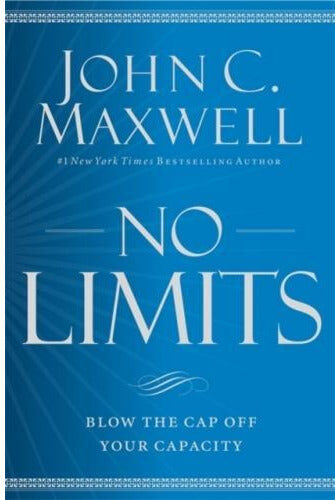
Little Brown Book Group No Limits: Blow the Cap Off Your Capacity by John C. Maxwell – Personal Growth & Leadership Development GuideNo Limits: Blow the CAP Off Your Capacity Description We often treat the word capacity as if it were a natural law of limitation. Unfortunately; most of us are much more comfortable defining what we perceive is off limits rather than what's possible. Could it be that many people have allowed what they perceive as capacity to define them? Have they allowed their perception to limit their attitudes about their potential? In his newest book; John Maxwell identifies 17 core capacities. Some of these are abilities we all already possess; such as energy; creativity and leadership. Others are aspects of our lives controlled by our choices; like our attitudes; character; and intentionality. Maxwell examines each of these 17 capacities; and provides clear and actionable advice on how you can increase your potential in each. He will guide you on how to identify; grow; and apply your critical capacities to your daily life. Once you've blown the 'cap' off your capacities; you'll find yourself more successful--and fulfilled--in your daily life.5,99 £*Shipping: 2,99 £Secure redirect to the provider
-
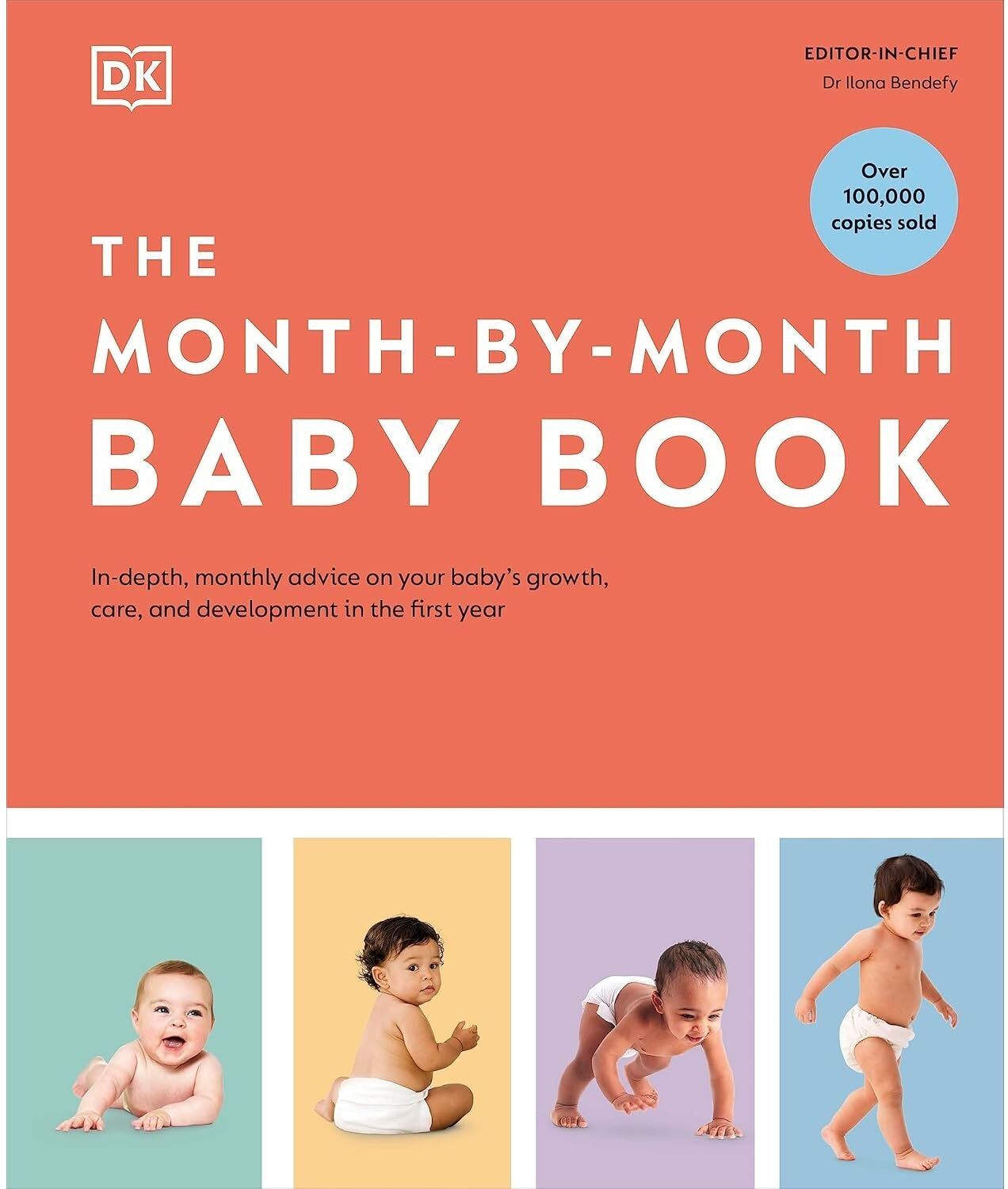
DK The Month-by-Month Baby Book: In-depth, Monthly Advice on Your Baby's Growth, Care, and Development in the First YearThe only book new parents will need for the extraordinary first year of their baby's life. This comprehensive book covers every moment of the first twelve months of your baby's life - from their first moments at home, feeding, and sleeping arrangements, to travelling, building their body strength, and starting to eat solids. A team of expert paediatricians, midwives, psychologists, and nutritionists provide unrivalled detail on everything new parents can expect. This new edition has been updated with the latest medical advice for a new generation of parents, and includes reassuring answers to common questions, offering additional support for whenever you need it. The Month-by-Month Baby Book perfectly complements the bestselling The Day-by-Day Pregnancy Book.16,99 £*Shipping: 2,99 £Secure redirect to the provider
-
What are growth factors or growth rates?
Growth factors or growth rates refer to the percentage increase in a specific variable over a certain period of time. In the context of economics, growth rates typically refer to the increase in a country's GDP or the expansion of a company's revenue. These factors are important indicators of the health and development of an economy or business, as they show how quickly it is expanding or contracting. Understanding growth factors or growth rates can help policymakers, investors, and business leaders make informed decisions about future strategies and investments. **
-
What is the difference between growth rates and slope?
Growth rates refer to the percentage increase or decrease in a quantity over a specific period of time, while slope measures the rate at which a line rises or falls on a graph. Growth rates are typically expressed as a percentage, while slope is a numerical value that represents the steepness of a line. In essence, growth rates provide a measure of change in a variable over time, while slope indicates the rate of change in a linear relationship between two variables. **
-
What is meant by birth, death, and growth rates?
Birth rate refers to the number of live births per 1,000 people in a population over a specific period of time. Death rate, on the other hand, refers to the number of deaths per 1,000 people in a population over the same period. Growth rate is the difference between the birth rate and the death rate, and it represents the rate at which a population is increasing or decreasing. These rates are important indicators of population dynamics and can have significant impacts on a society's demographics, economy, and social structure. **
-
Can someone please help me describe the trends in birth rates and death rates and provide possible explanations for their development?
In recent years, there has been a global trend of declining birth rates and increasing death rates. This can be attributed to various factors such as improved healthcare leading to lower infant mortality rates, increased access to family planning methods, changing societal norms towards smaller families, and delayed marriages. Additionally, factors like urbanization, increased education and career opportunities for women, and economic uncertainties have also contributed to the decline in birth rates. On the other hand, the increasing death rates can be linked to aging populations, lifestyle-related diseases, and inadequate healthcare systems in some regions. **
Similar search terms for Rates
-
Why are interest rates and inflation rates not direct economic indicators?
Interest rates and inflation rates are not direct economic indicators because they are not measures of actual economic activity. Instead, they are tools used by central banks to influence economic conditions. Interest rates are set by central banks to control the cost of borrowing and spending in the economy, while inflation rates measure the rate of change in the general price level of goods and services. While these factors are important in understanding the overall health of an economy, they are not direct measures of economic output or productivity. Instead, they are used as policy tools to manage economic conditions. **
-
What are interest rates?
Interest rates are the cost of borrowing money, typically expressed as a percentage. They represent the amount charged by a lender to a borrower for the use of their money. Interest rates can vary based on factors such as the borrower's creditworthiness, the type of loan, and prevailing market conditions. Higher interest rates generally indicate greater risk for the lender and can impact the overall cost of borrowing for individuals and businesses. **
-
What are mortality rates?
Mortality rates refer to the number of deaths within a specific population over a defined period of time, usually expressed as a rate per 1,000 or 100,000 people. These rates are used to measure the frequency of deaths within a population and can provide important insights into the overall health and well-being of a community. Mortality rates are often used in public health research and policy-making to assess the impact of diseases, injuries, and other health-related factors on a population. **
-
Are interest rates immoral?
Interest rates themselves are not inherently immoral, as they serve as a mechanism for lenders to earn a return on their investment and for borrowers to access capital. However, the morality of interest rates can be called into question when they are excessively high and exploit vulnerable individuals or communities. It is important for interest rates to be fair and transparent, and for lenders to consider the ethical implications of their lending practices. Ultimately, the morality of interest rates depends on how they are used and the impact they have on borrowers and society as a whole. **
* All prices are inclusive of VAT and, if applicable, plus shipping costs. The offer information is based on the details provided by the respective shop and is updated through automated processes. Real-time updates do not occur, so deviations can occur in individual cases. ** Note: Parts of this content were created by AI.